Why the 2026 Minimalist Capsule Wardrobe Prioritizes Utility Over Hype
As I observe the shifting tides of 2026, it is clear that we have reached a “hype exhaustion” peak. The frantic pursuit of ephemeral micro-trends has been replaced by a grounded, almost clinical focus on Utility. When I curate a capsule today, I am not looking for pieces that scream for attention; I am looking for pieces that perform. This year, the minimalist aesthetic has evolved from mere “simplicity” into a sophisticated “functionalism.”
We are seeing a definitive rejection of the “disposable luxury” that defined the early 2020s. In my professional view, the 2026 essentials are defined by Adaptive Textiles and Modular Construction. We are no longer satisfied with a coat that just looks sharp; it must be weather-resistant, breathable, and equipped with ergonomic pocketing that anticipates a mobile, tech-integrated lifestyle. The value of a garment now lies in its utility-per-wear ratio rather than its social media virality.
I’ve noticed that my clients are increasingly demanding “quiet performance.” This means high-tenacity wools, seamless 3D-knit structures, and finishes that resist the wear and tear of daily commuting. By prioritizing utility, the 2026 capsule wardrobe becomes a reliable toolkit for living. It’s a move toward Intellectual Consumption—choosing a silhouette because it facilitates movement and longevity, effectively silencing the noise of the hype cycle to make room for genuine personal style.
The 15-Piece Master Checklist: Your Core 2026 Wardrobe Essentials
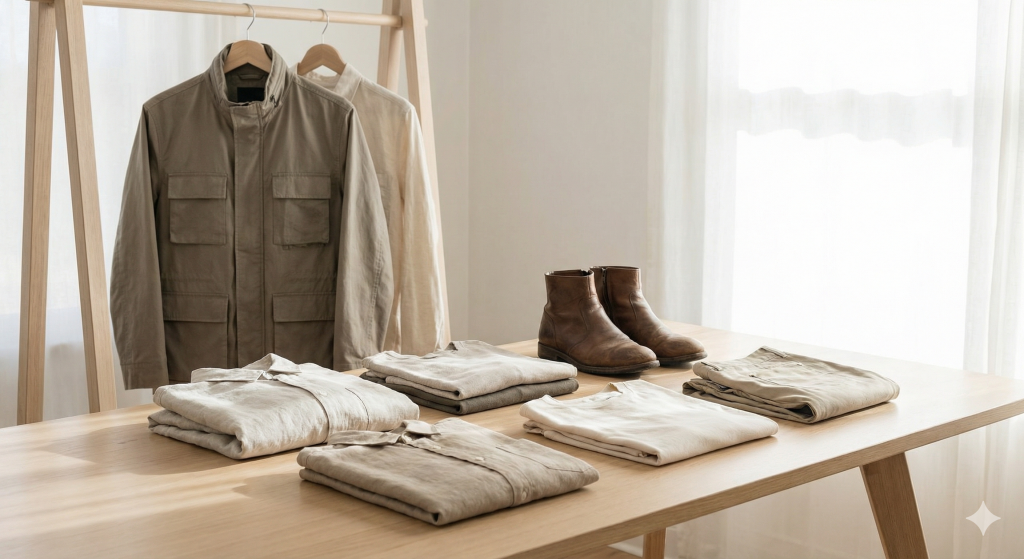
Building a wardrobe in 2026 isn’t about chasing every fleeting micro-trend; it’s about curated precision. I’ve distilled the noise of the current season into a 15-piece master checklist that balances neo-minimalism with high-performance utility. This isn’t just a collection of clothes; it’s a modular system designed to give you maximum aesthetic leverage with minimum physical clutter.
My selection focuses on “The New Neutrals”—moving beyond just beige and black into deep espresso, slate blue, and sand—while prioritizing fabrics that bridge the gap between digital sleekness and organic texture.
The Foundational Layers
- 2 Tech-Silk Base Tees: Forget basic cotton. I recommend seamless, moisture-wicking silk blends in bone and charcoal that feel like a second skin under a blazer but hold their shape as a standalone piece.
- 1 Oversized Crisp Poplin Shirt: The 2026 silhouette remains relaxed. Look for exaggerated cuffs and a heavy-gauge organic cotton that provides structural integrity.
- 1 Mock-Neck Fine-Gauge Knit: A transitional powerhouse. In a lightweight merino or recycled cashmere, this is your primary layering tool for depth.
The Precision Tailoring
- 1 Relaxed-Fit Power Blazer: I’m opting for a “soft-structured” shoulder this year. It should be sharp enough for a boardroom but fluid enough to pair with denim.
- 1 Pair of Wide-Leg Tailored Trousers: High-waisted with a deep pleat. The goal is a floor-skimming length that creates a monolithic, elongated line.
- 1 Straight-Leg Raw Denim: Zero distressing, dark indigo. This is the “formal” denim that anchors the capsule.
- 1 Column Maxi Skirt or Slip Dress: A vertical element that works as well with sneakers as it does with a structural heel.
The High-Impact Outerwear
- 1 Architectural Trench Coat: Look for technical gabardine with matte hardware. It’s the ultimate 2026 shield against the elements and social expectations alike.
- 1 Structured Wool Overcoat: In a rich earth tone, this provides the “anchor” for your colder-day silhouettes.
The Curated Footwear & Accessories
- 1 Pair of Pointed-Toe “Sock” Boots: These disappear under your wide-leg trousers for a seamless visual flow.
- 1 Pair of Architectural White Sneakers: Low-profile, luxury leather, and entirely devoid of loud branding.
- 1 Lug-Sole Loafer: To add a bit of “weight” and masculinity to more fluid outfits.
- 1 Large Geometric Carry-All: A structured tote in a buttery Nappa leather.
- 1 Reversible Slim Leather Belt: One side black, one side chocolate, with a brushed-metal buckle.
When I look at these 15 pieces, I see hundreds of potential permutations. By focusing on silhouette, fabric weight, and tonal harmony, you aren’t just getting dressed—you’re deploying a deliberate visual identity that feels timeless yet distinctly 2026.
Essential Base Layers: Next-Generation Basics and Smart Fabrics
When I curate a capsule wardrobe, I always tell my clients that the true foundation lies closest to the skin. In 2026, we have completely moved past the era of standard cotton basics. I now build my minimalist wardrobes around next-generation smart fabrics that actively respond to our body’s microclimate. It is no longer just about a clean silhouette; it is about bio-engineered textiles that offer temperature regulation, moisture-wicking, and self-cleaning properties, allowing us to wash less and wear more.
Here are the three foundational pieces I consider absolute non-negotiables for this year’s modern capsule:
- The Phase-Change T-Shirt: I have swapped out all my traditional white tees for those woven with phase-change materials (PCMs). These smart fibers absorb excess body heat when I am rushing through the city and release it when I am sitting in a hyper-air-conditioned studio. My absolute favorite iterations right now come from innovative eco-tech brands that prioritize zero-waste manufacturing.
-
The Algae-Blend Bodysuit: Sustainability is a core pillar of my styling philosophy. I am obsessed with the new seamless bodysuits crafted from algae-based yarns. Not only do they provide a flawless, second-skin fit that layers perfectly under an oversized blazer without bunching, but they also remain inherently antimicrobial throughout their lifecycle.
- The Reactive Base Legging: Whether I am working from home or taking a long-haul flight, a foundational pair of leggings utilizing predictive-stretch mapping is essential. I look for pieces where the fabric adapts to my movements without ever losing its structural integrity or matte, minimalist aesthetic.

By investing in these intelligent base layers, I have found that the rest of the wardrobe naturally falls into place. The garments do the heavy lifting of maintaining personal comfort, allowing the outer layers to remain incredibly streamlined, structured, and visually effortless.
The Structured Bottoms: Versatile Trousers and Skirts for Day-to-Night Wear
When I curate a capsule wardrobe for my clients this year, I always anchor the entire collection with impeccably tailored, structured bottoms. For 2026, I am seeing a definitive shift away from restrictive silhouettes; instead, we are embracing fluid, architectural cuts that effortlessly transition from a morning boardroom meeting to an impromptu dinner downtown.
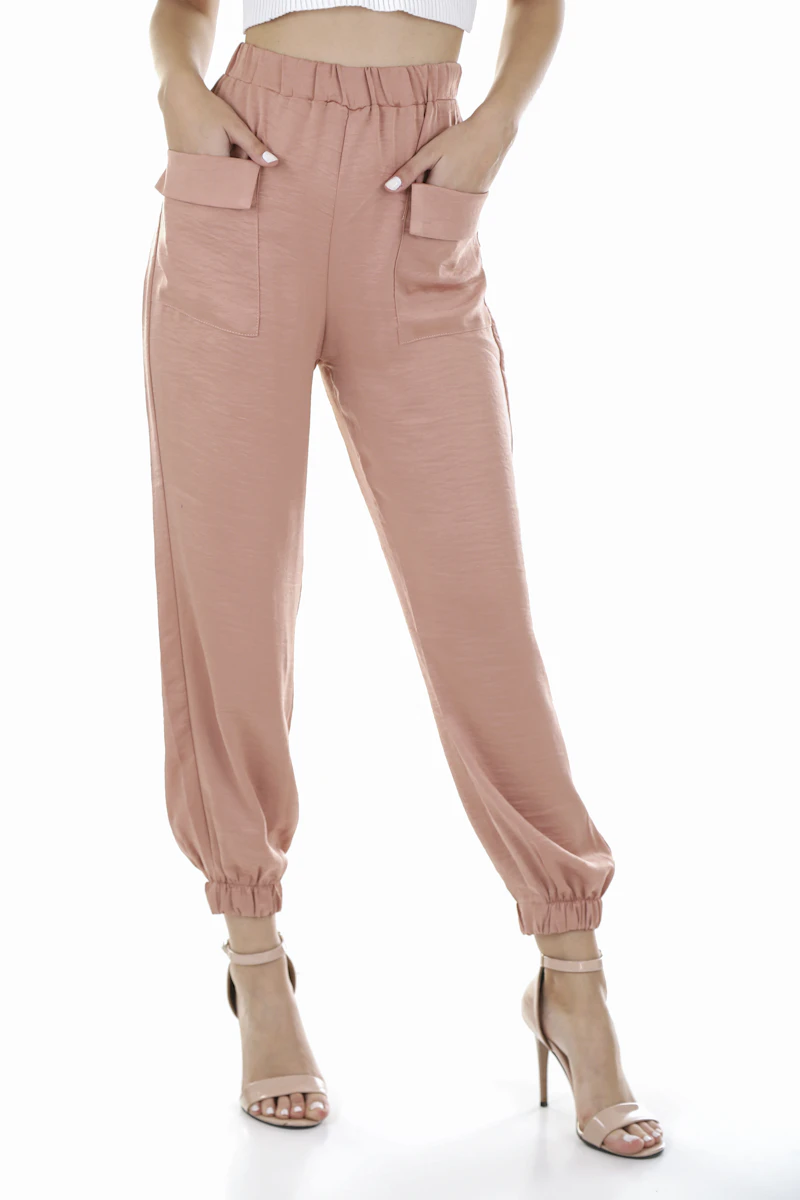
I consider a pair of high-waisted, wide-leg trousers in a sustainable wool-crepe blend to be the absolute non-negotiable foundation of this segment. They offer a razor-sharp front pleat that visually elongates the leg while remaining incredibly forgiving in movement. Alongside the trousers, I always recommend incorporating a minimalist midi or maxi skirt to soften the wardrobe’s edge. This season, a structured column skirt in heavyweight silk or a matte recycled satin is my absolute go-to. It catches the evening light beautifully for a night out, yet looks entirely professional when grounded with a chunky knit sweater and leather loafers during daylight hours. By sticking to a refined, seasonless palette of charcoal, deep navy, and warm taupe, I ensure these foundational pieces work flawlessly with every other item in your closet, allowing you to maximize your outfits with minimal styling effort.
Trans-seasonal Toppers: Modern Trench Coats and Versatile Blazers
When I look at the foundation of any enduring minimalist wardrobe for 2026, I constantly find myself returning to the outer layers that seamlessly bridge our ever-shifting seasons. The days of bulky, single-season outerwear are entirely behind us. Instead, I advocate for investing your budget and closet space into two paramount pieces: the modernized trench coat and the omni-purpose blazer. These aren’t just garments to me; they are the architectural anchors of my personal style, doing the heavy lifting when the weather is entirely unpredictable.
Let’s talk about the trench. The 2026 iteration I’ve been wearing non-stop strips away the rigid structure, excessive epaulettes, and heavy hardware of the past. I gravitate exclusively towards fluid, relaxed silhouettes crafted from next-generation bio-based gabardine and recycled tech-canvas. My modern trench drapes effortlessly over both a slinky silk slip dress and a chunky recycled-cashmere knit. I specifically recommend seeking out muted, earth-grounded tones—think dried sage, washed charcoal, or deep greige—rather than the traditional, stark camel. I find that this subtle shift in color softens the minimalist aesthetic while maximizing your mix-and-match potential across different seasonal palettes.

Similarly, my approach to the versatile blazer has evolved significantly this year. I have completely retired my stiff, restrictive jackets in favor of unlined, slouchy tailoring. To me, the perfect 2026 blazer features a slightly extended shoulder line for a hint of power dressing, but falls with a liquid, body-skimming drape. I tell all my private clients to look for regenerative wool-silk blends or heavy-weight Tencel that regulate temperature naturally. Whether I am throwing it over a simple organic cotton tee for a morning creative briefing, or belting it over a column skirt for an evening gallery opening, this singular piece instantly sharpens the silhouette without sacrificing a single ounce of comfort.
Multi-Functional Footwear: The Only 3 Pairs You Need for a Complete Capsule
When I curate a capsule for 2026, I operate on a strict “earn your space” policy. In an era where quiet utility defines our aesthetic, your footwear must do more than just complete an outfit—it must bridge the gap between disparate lifestyles. I’ve distilled the ultimate rotation down to three indispensable silhouettes that prioritize ergonomic longevity and modular design.
First, I start with the Architectural Tech-Loafer. This isn’t your traditional stiff leather slip-on. For 2026, we’re looking at hybrids featuring bio-based knit uppers paired with a structured, lightweight lug sole. I find these are the ultimate chameleons; they possess enough formality to anchor a tailored trouser for a boardroom presentation, yet the
Maximizing Outfits: The ‘Rule of Three’ Styling Formula for Your New Wardrobe
When I consult with clients on building a 2026 minimalist capsule, the most common fear I encounter is the “boredom factor.” To combat this, I rely on my favorite styling secret: the Rule of Three. This isn’t just about layering; it’s a mathematical approach to visual interest that ensures your streamlined wardrobe never feels repetitive or clinical.
The formula is simple: every successful outfit consists of two primary pieces (your base) plus a “third piece” that serves as the finishing touch. In the context of 2026’s tech-luxe aesthetic, your first two pieces might be a pair of structured wide-leg trousers and a seamless micro-rib tank. By themselves, they are functional. However, the magic happens when you introduce that third element—perhaps a laser-cut lightweight trench, a sculptural waist-belt, or an oversized silk scarf in a tonal shade.
I always emphasize that this third piece is what elevates a look from “getting dressed” to “styling an ensemble.” In a minimalist framework, this element adds the necessary texture and dimension without relying on loud patterns or excess bulk. Think of it as the focal point that ties the silhouette together. Whether it’s a sheer tech-fabric overshirt or a piece of bold, architectural jewelry, the Rule of Three allows you to rotate the same core essentials while projecting an entirely different mood every single day.
By mastering this balance, you’ll find that a 15-piece wardrobe actually yields over 50 unique looks. It’s about intentionality over quantity—ensuring that every item you own has the versatility to act as both a foundation and a transformative finishing touch.
Care and Longevity: How to Maintain Your Minimalist Pieces for Years
When I curate a capsule wardrobe, my philosophy extends far beyond the initial purchase; it is fundamentally about stewardship. I have seen too many beautifully crafted 2026 silhouettes ruined by improper washing routines. To ensure your minimalist investment pieces truly last for years, I always tell my clients that they need to rethink their laundry habits. I recommend washing garments much less frequently than you might think. Often, a quick pass with a garment steamer or simply airing out your pieces overnight is more than enough to refresh them without breaking down the precious natural fibers.
For those essential pieces that absolutely require a wash, I cannot stress enough the importance of using cold water and gentle, plant-based detergents. I personally rely on specialized delicate washes that protect the structural integrity of organic cottons, regenerative wools, and heavy-weight silks—the core materials that dominate our minimalist closets this year. Heat is the ultimate enemy of longevity, so I strictly advise air-drying everything flat on a clean towel.

Proper storage is my final, non-negotiable step in wardrobe maintenance. Heavy cashmere knits and structured cotton sweaters should never be hung, as gravity will inevitably distort their perfectly engineered drape; instead, I fold them neatly and store them with natural cedar blocks to naturally deter pests. Conversely, I hang my tailored blazers and silk slip dresses on broad-shouldered wooden or velvet hangers to maintain their crisp lines and prevent fabric snagging. By treating your garments with this level of intentional respect, I promise you won’t just be maintaining clothes—you will be preserving your personal style signature for decades to come.