How to Style Korean Street Fashion Trends: The 2026 Urban Aesthetic Guide
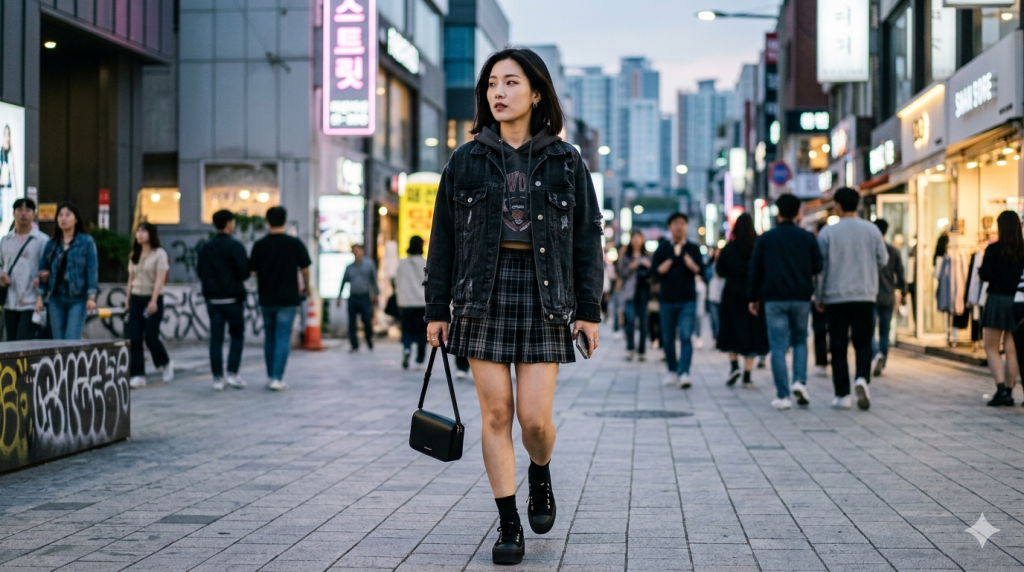
When I walk through the bustling streets of Hongdae this season, the shift in the 2026 urban aesthetic is impossible to ignore. I’ve completely overhauled my own wardrobe to embrace what I call “Tech-Hanbok fusion”—a trend that seamlessly blends hyper-modern technical fabrics with the fluid, oversized silhouettes of traditional Korean garments. To pull this off, I always start with a voluminous, structured parachute pant crafted from sustainable nylon, paired with a sleek, body-hugging micro-top. It’s all about mastering that high-contrast proportion.

One of my absolute favorite techniques to elevate this look is strategic, unconventional layering. I usually throw an asymmetrical, distressed knit over a slick, metallic-threaded turtleneck. It gives off an effortless, slightly grunge vibe that is quintessential to Seoul’s current streetwear scene. Accessories are non-negotiable for me here; I rely heavily on integrating brutalist silver jewelry and a pair of chunky, exaggerated-sole stomper boots. If you’re looking for authentic curation, browsing the independent designer archives on Musinsa is my daily ritual.
Finally, let’s talk about the color palette. While I used to rely entirely on monochromatic black, the 2026 street style demands unexpected pops of digital lavender or acid green against muted, earthy undertones like charcoal and slate. I incorporate these vivid shades through a statement cross-body tech bag or tinted visor sunglasses. Adopting this calculated yet rebellious approach to color instantly legitimizes the outfit, making it look unapologetically native to the Korean streetwear ethos.
Decoding the DNA of K-Street Style: Beyond the Basics
When I wander through the bustling, neon-lit alleys of Hongdae or the sleek, conceptual avenues of Seongsu-dong, it becomes instantly clear to me that Korean streetwear has evolved far beyond the simplistic formulas the Western world often reduces it to. I constantly have to remind my styling clients that true K-Street style is not merely about drowning in an oversized graphic hoodie and calling it a day; it is a meticulously calculated, architectural approach to dressing. It is an aesthetic language that thrives on deliberate friction and structural play.
What I find most compelling about this stylistic DNA is the absolute mastery of juxtaposition. I love observing how the youth of Seoul effortlessly slam hyper-feminine or traditional elements into brutalist, utilitarian gear. In my latest editorial shoots, I’ve been styling delicate, distressed lace slip dresses layered over structured, baggy parachute pants, grounded by aggressively chunky tactical boots. It’s a beautifully gender-fluid playground where I see traditional sartorial boundaries completely dissolving, allowing the wearer to rewrite the rules of proportion.
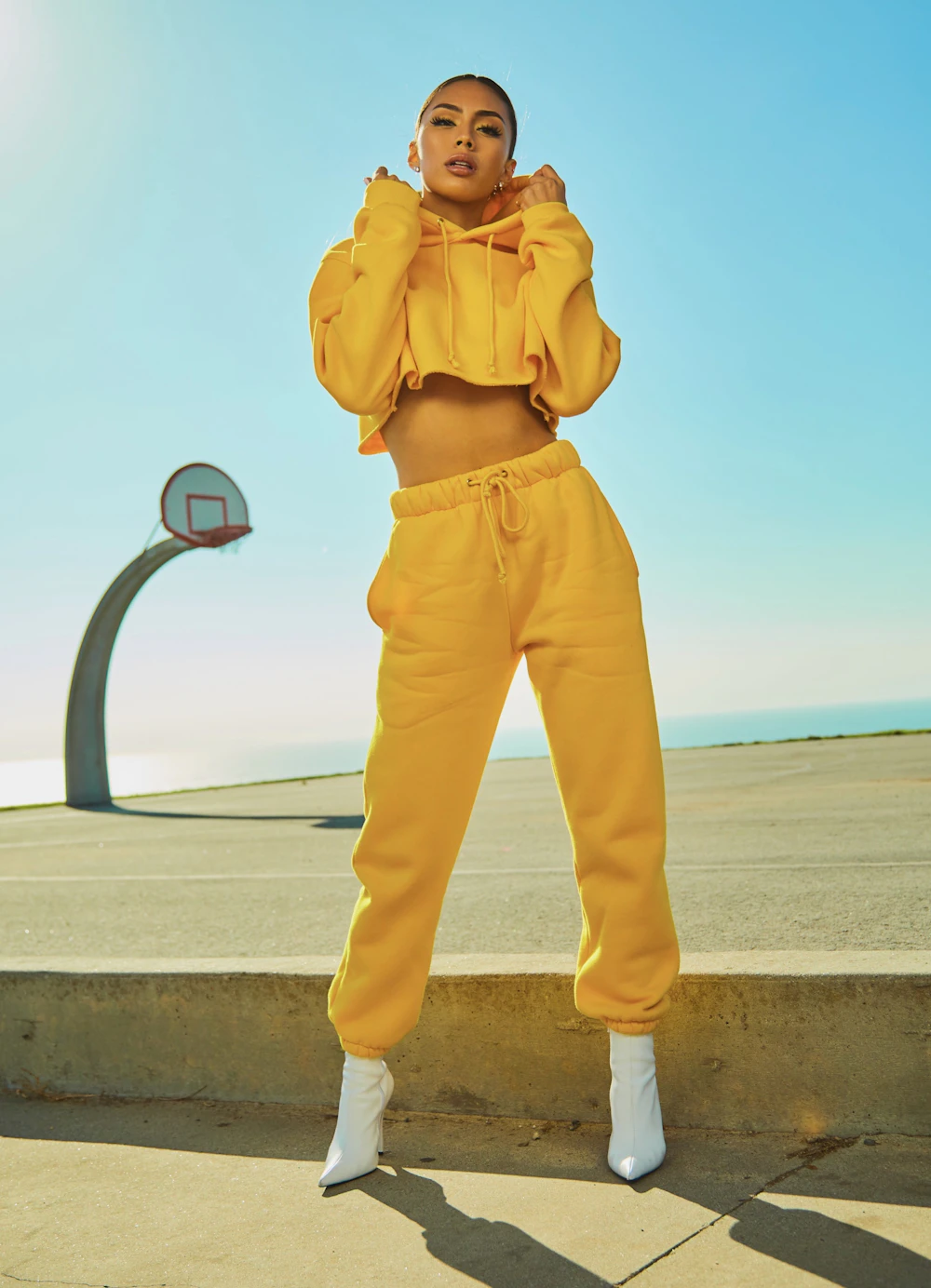
But if you really want to decode this look and integrate it into your own rotation, I need you to obsess over the micro-details. The famous “effortless” vibe of Seoul’s fashion elite is famously anything but. In my own wardrobe, I find that the magic happens in the transitional layers—a sheer mesh long-sleeve peeking out from beneath a vintage band tee, topped with a perfectly cropped, boxy blazer. It’s about the heavy silver hardware on your crossbody bag, the exact break of your wide-leg trousers as they cascade over your platform sneakers, and the strategic placement of safety pins. This is the true essence of the movement: a highly curated nonchalance that demands attention without ever looking like it’s trying too hard.
Trend 1: The ‘Gorpcore’ Evolution – Technical Outerwear meets Seoul Streets
When I wander through the stylish alleys of Seongsu-dong, the first thing that always catches my eye is how effortlessly the locals have hijacked mountain-climbing gear for the concrete jungle. I’ve been tracking this specific aesthetic evolution for a while now, and it’s arguably my favorite silhouette to play with. We aren’t just throwing on a hiking jacket to brave the rain; we are treating technical outerwear as the central anchor of a highly curated, urban look.
To pull this off without looking like you are literally about to scale a rocky peak, I always advise focusing on the rule of contrast. My absolute go-to styling trick is to take a hyper-technical, multi-pocketed nylon shell—think oversized cuts with exaggerated bungee cords and toggle details—and pair it with something entirely unexpected. I love seeing a structured, waterproof jacket contrasted against a flowing, asymmetrical midi skirt or wide-leg, softly draped tailored trousers. It immediately breaks up the utilitarian vibe and injects a sense of high-fashion sophistication.
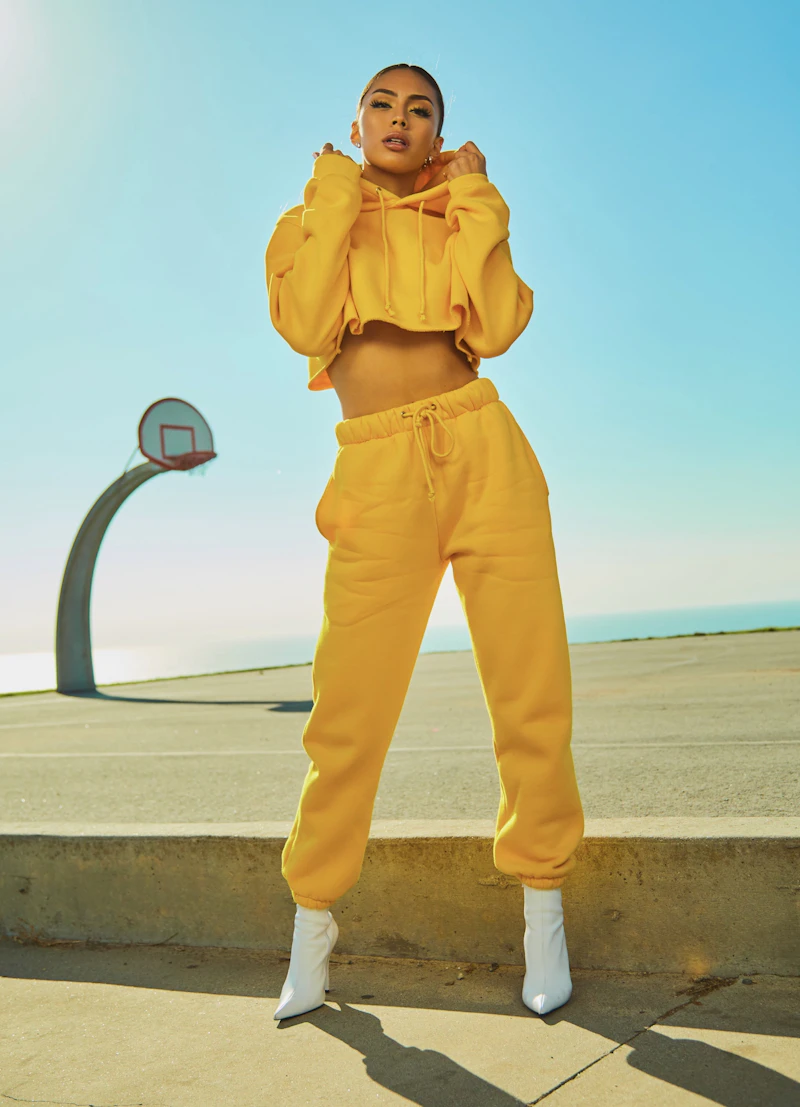
If you are looking to integrate this into your own rotation, here are the core styling principles I swear by:
- Exaggerate Your Proportions: I always size up my outerwear by at least one size. The jacket should drape effortlessly off your shoulders. Pair it with parachute pants or ultra-baggy cargos that pool heavily around your footwear.
- Trail-Ready Footwear is Non-Negotiable: Ditch the sleek, minimal sneakers. I finish these outfits exclusively with chunky, rugged trail shoes. The more aggressive and technical the sole, the better it anchors the volume of the oversized jacket.
- The Seoul Color Palette: While traditional outdoor gear loves a neon moment, the Korean approach leans heavily into muted, urban earth tones—charcoals, slate grays, concrete silvers, and deep olive greens. I usually add just one calculated pop of color, perhaps through an electric blue technical crossbody bag or an orange beanie.
Ultimately, when I piece together these looks, I want to project an aura of effortless, almost apathetic functionality. It’s about looking practically prepared for an urban monsoon while remaining undeniably the sharpest-dressed person in the room. Don’t be afraid to mix those hard, waterproof textiles with soft, everyday fabrics—that textural friction is exactly what brings the whole outfit to life.
Trend 2: Cyber-Punk Minimalism – Structured Silhouettes and Metallic Accents
When I look at the current streets of Seoul, I see a sharp departure from the soft “boyfriend” aesthetics of the past. We are entering the era of Cyber-Punk Minimalism, a trend that feels like a high-fashion glitch in the matrix. To master this look, I always advise focusing on the tension between rigid structure and futuristic finishes. It’s not about dressing like a sci-fi character; it’s about incorporating architectural silhouettes that command space.
I recommend starting with a foundational piece that has exaggerated proportions—think oversized, boxy blazers with reinforced shoulder pads or “parachute” cargo pants made from technical nylon. The “minimalism” comes from a strictly monochromatic palette, usually centered around deep obsidian, slate grey, or stark clinical white. By keeping the colors muted, the focus shifts entirely to the geometry of your outfit.
The “Cyber” element is where you get to have fun with textures. I love layering in metallic accents to break up the matte fabrics. This could be a chrome-finished chest rig, heavy silver industrial chains, or even footwear with reflective 3M piping. When I style my clients, I often opt for accessories with a high-shine, liquid-metal sheen—like a micro-bag with a brushed aluminum finish or sleek, wraparound eyewear. The goal is to look sleek, armored, and effortlessly high-tech, balancing the “heavy” structural elements with the “light” of metallic reflections.
Trend 3: Deconstructed Denim – Mastering the Asymmetrical and Layered Look
When I wander the bustling streets of Hongdae or Seongsu-dong, one aesthetic constantly catches my eye and defines the current rebellious undercurrent of Korean streetwear: denim that entirely refuses to play by the rules. I’m talking about the masterful, architectural art of deconstruction. This isn’t just about a few distressed rips at the knee; it is a deliberate reimagining of structure. I absolutely love how local designers take a universally understood material and completely subvert it with asymmetrical waistbands, inverted exposed seams, and spliced panels that merge contrasting washes into a single, cohesive garment.
To successfully pull this off without looking like a walking fabric scrap bin, I always advise my styling clients to consciously ground the visual chaos. If I am building a look around a pair of heavily deconstructed jeans—perhaps featuring a dramatic crossover asymmetrical button fly and raw, trailing, unraveled hems—I will deliberately pair them with a hyper-minimalist top. Think a sleek, fitted cropped turtleneck or a pristine, oversized Oxford shirt casually half-tucked. This calculated contrast is my absolute secret weapon in K-fashion; it allows the sheer complexity of the denim to act as the undeniable focal point of the outfit without overwhelming the eye.

For those of you ready to push the sartorial envelope even further, I highly recommend incorporating deconstructed outerwear into your weekly rotation. I constantly seek out oversized denim jackets boasting missing collars, aggressively dropped and detached shoulders, or jagged, uneven hems that fall at entirely different lengths. When I style these jackets, layering becomes absolutely non-negotiable. My go-to technique is to drape an asymmetrical denim piece over an elongated, lightweight graphic tee, allowing the jagged edges of the heavy outerwear to uniquely frame the softer, longer fabrics underneath. I always finish this specific silhouette with chunky platform combat boots or heavily paneled retro running sneakers to anchor the heavy visual weight of the denim. Remember, when we step out in these deconstructed pieces, we are effectively wearing modern art, so you have to walk with the confidence that the avant-garde energy demands.
Trend 4: Schoolcore 2.0 – Modernizing Preppy Knits and Pleated Mini-Skirts
When I look at the current streets of Hannam-dong, it’s clear that the classic “uniform” look has shed its rigid roots. I’m seeing a massive shift into what I call Schoolcore 2.0—it’s less about looking like a student and more about reclaiming academic staples with a rebellious, high-fashion edge. To master this, I always suggest starting with the silhouette: we are moving away from the tight, costume-like fits of the past and leaning into intentional volume.
My go-to formula for this trend involves pairing a crisp, oversized button-down with a chunky cable-knit vest. The trick is in the proportions; the vest should feel slightly “stolen from the thrift store,” falling loosely over a structured pleated mini-skirt. Instead of the basic black or navy, I’m gravitating toward muted neutrals like sand, slate, or olive to keep the look sophisticated.
To truly elevate the ensemble, I focus heavily on the footwear and accessories—this is where the “modernizing” happens. I recommend ditching the dainty flats for heavy-duty loafers with lug soles or even silver metallic ballet flats to create a visual contrast. Adding a pair of calf-high white socks is non-negotiable for that authentic Seoul aesthetic. If you want to push it further, swap the traditional backpack for a sleek leather crossbody or a distressed messenger bag. It’s that precise balance of “orderly” academia and “disorderly” streetwear that makes this trend feel so fresh right now.
Trend 5: Oversized Tailoring – The Art of the ‘Effortless’ Wide-Leg Silhouette
I constantly find myself drawn back to the sheer volume defining Seoul’s streets right now. If there’s one thing I’ve learned from observing the fashion-forward crowds in Seongsu-dong, it’s that oversized tailoring isn’t just about buying a size up—it’s a deliberate, architectural choice. We are moving entirely away from the rigid constraints of traditional suiting and embracing a silhouette where the fabric flows dynamically with every step you take.
Let’s talk about the absolute anchor of this look: the wide-leg trouser. In my personal styling sessions, I always emphasize the ‘pool’ effect. You want the hem of your pants to break heavily over your footwear—preferably a chunky retro sneaker or a squared-toe boot to ground the massive volume. It’s a look that whispers “I didn’t try too hard,” even though the tailoring is meticulously calculated. I highly recommend investing in trousers with deep front pleats; they provide that essential structure at the waist so you don’t end up looking like you’re drowning in fabric.

For the upper half, I am absolutely obsessed with the exaggerated shoulder. Dropped shoulders paired with a dramatically boxy blazer create an incredibly powerful, gender-fluid aesthetic that is currently dominating my mood boards. The secret I always share with my clients is mastering the rule of contrast. If I’m throwing on a massive, heavily structured blazer, I’ll often pair it with a fitted baby tee or a tucked-in ribbed tank top underneath. This creates a visual anchor and highlights the waist.
Alternatively, if you want to follow my lead into full avant-garde territory and do loose-on-loose, you must rely on fabrics that drape beautifully. I always look for heavy wool blends, fluid viscose, or dense cottons that pull downward rather than puffing outward. When I put this silhouette together, I keep the accessories incredibly minimalist. A sleek crossbody bag worn high on the chest or a simple silver chain is usually all I need. The volume of the garments does all the talking, so I let the tailoring remain the undisputed star of the outfit.
Footwear & Accessories: Completing the K-Fashion Transformation
When I am finalizing a Korean street style look, I always emphasize that the apparel is only half the battle; the real magic happens at the extremities. I have spent years observing the stylistic shifts in Seoul’s fashion districts, from the indie vibes of Hongdae to the polished streets of Gangnam, and I can confidently tell you that footwear and accessories are what truly anchor this aesthetic. You simply cannot achieve that effortless K-fashion vibe without paying meticulous attention to your shoes, hats, and bags.
Let us start with what I consider the absolute foundation: footwear. I rarely build a streetwear outfit without considering a pair of oversized, chunky sneakers. Often referred to as “ugly shoes,” these exaggerated silhouettes add the perfect amount of visual weight to balance out the oversized tops and baggy trousers I love to style. Think thick soles, mixed textures, and retro-futuristic designs. If I am going for an edgier, grunge-inspired look, I immediately reach for thick platform combat boots. Alternatively, for that preppy-meets-streetwear contrast that is so prevalent in modern K-pop fashion, I love pairing classic black leather loafers with pristine, slightly scrunched white tube socks.

Moving on to accessories, headwear is absolutely non-negotiable in my styling handbook. The bucket hat remains my ultimate go-to. It instantly adds a laid-back, mysterious aura to any ensemble, giving off that “celebrity avoiding the paparazzi” look that is heavily emulated. I often opt for canvas or nylon for a sporty feel, or fuzzy faux fur during the colder months. Beanies, worn pushed slightly back on the head so the fringe still peeks out, are another staple I rely on heavily for a relaxed, skater-inspired finish.
Bags in K-fashion are utilitarian yet incredibly sharp. I personally favor tactical crossbody bags, soft nylon messenger bags, or minimalist leather shoulder bags worn high and tight across the chest. The strap placement breaks up the silhouette of an oversized t-shirt or hoodie perfectly. To complete the transformation, I always layer on minimalist silver jewelry—think thin chain necklaces, stackable rings, and subtle hoop earrings. The aesthetic leans away from flashy gold and favors the icy, industrial feel of silver. Finally, I almost always throw on a pair of lightly tinted, frameless or thick-acetate sunglasses. Nothing says “Korean street fashion” quite like that final touch of unapologetic cool.
If you want to explore some of the authentic platforms where I personally source these finishing touches, I highly recommend checking out Ader Error for their incredibly unique, avant-garde accessory lines, or browsing the extensive footwear and accessory collections on Musinsa, which is essentially the holy grail of Korean streetwear shopping.