Sustainable Fashion Trends for Petite Women: The 2026 Style Guide
As we navigate the style landscape of 2026, I’m seeing a refreshing shift where “sustainability” is no longer just a buzzword but a precise engineering feat for the petite frame. In my years tracking the pulse of the industry, I’ve noticed that the most impactful trend this season is the “Proportional Eco-Minimalism.” It’s a movement away from the overwhelming, oversized “potato sack” aesthetic of early sustainable fashion, moving instead toward sculpted, high-waisted silhouettes crafted from bio-based textiles like mushroom leather and recycled sea-silk.
For my fellow petite enthusiasts, the 2026 focus is on Vertical Integrity. We are seeing a surge in brands utilizing 3D-knitting technology to create zero-waste garments that are tailored specifically to shorter torsos and inseams. I particularly recommend looking for “Monochromatic Earth-Tones”—think deep moss greens or terracotta in monochromatic sets. This doesn’t just lower the garment’s dye-impact on the environment; it creates a seamless vertical line that elongates our silhouette without the need for high heels.

I’m also championing the “Micro-Capsule” movement. Instead of the traditional 30-piece capsule, the 2026 petite trend leans toward 10 high-performance, modular pieces. Look for adjustable hemlines and regenerative wool blazers with “growth-seams” that can be easily altered. By choosing brands that offer circular repair programs, you aren’t just buying a dress; you’re investing in a lifetime of perfect fit. Remember, the most sustainable garment is the one that actually fits you well enough to wear a hundred times.
The Intersection of Petite Proportions and Conscious Style
When I first started navigating the fashion industry as a stylist and advocate for conscious consumption, I quickly realized that the styling challenges faced by petite women and the core principles of sustainable fashion share a powerful, often overlooked synergy. For us—and I say ‘us’ because I intimately understand the frustration of drowning in oversized, poorly cut garments—the traditional fast-fashion cycle is inherently flawed. Mass-produced clothing is aggressively scaled for an ‘average’ height that simply ignores women under 5’4″. This structural sizing gap naturally drives my styling philosophy: embracing conscious, slow fashion isn’t just an ethical choice for petite women; it is an absolute aesthetic necessity.
I always emphasize to my clients that a sustainable petite wardrobe must be built on the foundation of intentional tailoring, high-quality fabrics, and precise proportions. Instead of cycling through five ill-fitting, trendy fast-fashion dresses that overwhelm a smaller frame with excess fabric, I strongly advocate for investing in two impeccably crafted, timeless pieces from eco-conscious labels. The real magic happens when we shift our focus from volume to value. By championing sustainable brands that offer dedicated petite lines, or by supporting made-to-order business models that inherently eliminate textile waste, I ensure that waist placements, armholes, and hemlines actually flatter our natural proportions without requiring extensive, costly alterations.

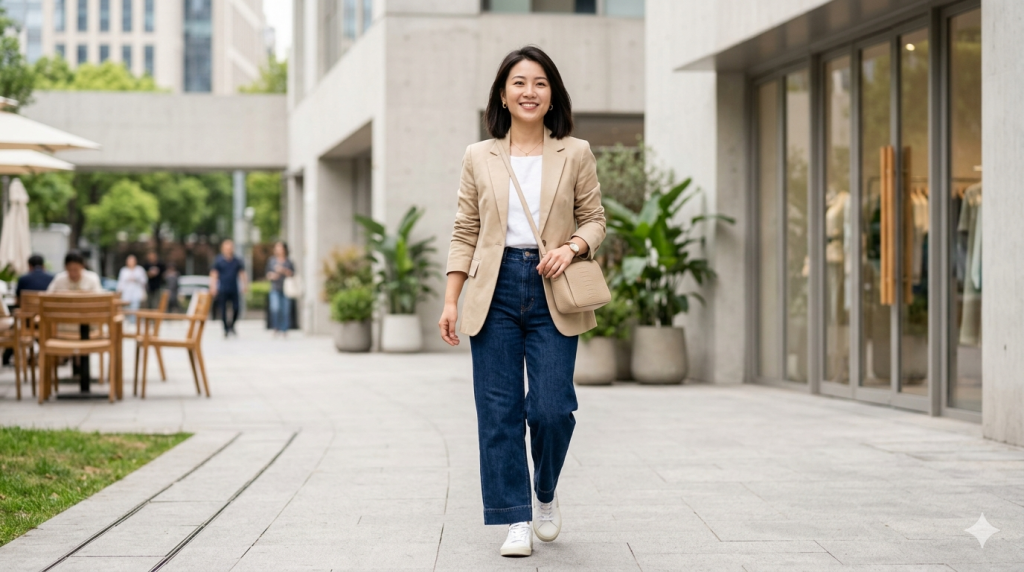
Let’s look at the visual mechanics of how I apply this in real life. I frequently utilize monochromatic dressing using sustainable, breathable fabrics like Tencel, organic cotton, or deadstock silk to create an unbroken vertical line that naturally elongates the petite silhouette. It’s a classic, sophisticated styling trick that works harmoniously with a minimalist, eco-friendly capsule wardrobe. When I source vintage or second-hand garments, I specifically hunt for high-waisted, straight-leg trousers and tailored, cropped blazers. These aren’t fleeting micro-trends; they are the architectural staples that honor the petite body. If you are looking to curate your own conscious closet, I highly recommend exploring independent ethical directories to discover transparent brands that truly understand our unique sizing needs. Through mindful curation, I’ve proven time and time again that we never have to compromise our environmental values to achieve the perfect, proportion-conscious fit.
Top Sustainable Fashion Trends for Petite Women This Year
I’ve spent years analyzing the delicate intersection of ethical consumption and proportion-perfect styling, and I can confidently tell you that this year is an absolute breakthrough for us petites. We are no longer expected to drown in oversized, “one-size-fits-all” eco-garments that overwhelm our frames. Instead, I’m seeing a massive, much-needed shift toward structured, upcycled tailoring. Innovative designers are finally taking deadstock luxury fabrics and crafting beautifully cropped blazers and high-waisted, tailored trousers. These pieces respect our natural waistlines and flatter shorter silhouettes right off the rack, completely bypassing that dreaded trip to the tailor.
Another major movement I am completely obsessed with right now is the rise of eco-friendly monochromatic dressing. We are seeing gorgeous matching sets produced from closed-loop, low-impact materials like Tencel, Ecovero, and organic linen. Wearing a single, continuous shade naturally elongates the body, tricking the eye into seeing a taller, unbroken vertical line. If you are looking to curate your own capsule, I highly recommend exploring trusted sustainable brand directories to find these coordinating pieces. They eliminate the harsh visual break at the midsection, which I’ve always found to be a styling game-changer for women under 5’4″.

Lastly, I simply can’t talk about this year’s essentials without highlighting the brilliant resurgence of reworked vintage denim. Instead of settling for resource-heavy new jeans with impossibly long hems, I’ve been guiding my clients toward curated vintage pairs that have been specifically recut and tailored for petite inseams. When you pair a beautifully worn-in, high-waisted vintage jean with a fitted, zero-waste knit top, it creates an effortlessly chic, timeless look. It’s the perfect way to build a wardrobe that aggressively defends our planet while flawlessly celebrating our proportions.
Upcycled Tailoring: Perfecting the Power Suit for Shorter Frames
As a fashion forecaster who has spent years analyzing runway shifts, I can confidently tell you that the traditional oversized power suit used to be a sartorial nightmare for those of us with petite frames. We would simply drown in the heavy fabric. However, the game has entirely changed this season with the spectacular rise of upcycled tailoring. I am currently seeing brilliant independent designers and sustainable ateliers taking vintage, oversized men’s suits and meticulously recutting them specifically for women under 5’4″.

What fascinates me most about this specific trend is how it completely champions circular fashion without sacrificing the sharp, authoritative silhouette we crave in the workplace. Instead of producing virgin textiles, these conscious brands are breathing new life into discarded wool blends, pinstripes, and heritage tweeds. For my petite clients, I always recommend looking for upcycled sets that feature strategically nipped-in waists and cropped blazer hems. A jacket that hits right at the hip bone, rather than mid-thigh, works wonders to maintain our natural proportions without overwhelming our stature.
When it comes to the lower half, I love pairing a structured upcycled blazer with high-waisted, subtly flared or tailored trousers constructed from repurposed deadstock fabrics. This combination instantly creates the illusion of elongated legs. I constantly remind my styling clients that true petite tailoring isn’t just about chopping off the hem; it’s about raising the armholes, narrowing the shoulder pads, and repositioning pockets so the visual math makes sense for our bodies. If you are ready to invest in your own bespoke sustainable wardrobe, I highly suggest connecting with local eco-conscious tailors who specialize in zero-waste alterations to customize thrifted vintage finds to your exact, beautiful measurements.
High-Waisted Silhouettes in Organic and Recycled Denim
When I consult for petite clients who refuse to compromise on ethics or aesthetics, my first move is always to look at high-waisted silhouettes crafted from organic and recycled denim. This isn’t just a nod to the “eco-friendly” movement; it is a strategic styling tool that fundamentally redefines the petite frame. By choosing a rise that sits at the natural waistline, I can effectively “cheat” the eye, creating a vertical illusion that makes legs appear significantly longer than they are.
The shift toward GOTS-certified organic cotton and post-consumer recycled fibers has revolutionized how these garments drape. Unlike the rigid, heavy denim of the past that often overwhelmed smaller frames, today’s sustainable blends offer a refined structure. I find that a high-waisted, straight-leg cut in a dark indigo wash—produced using water-saving laser technology rather than harsh chemical bleaching—provides the cleanest line for shorter statures.
I often recommend looking for brands that utilize circular denim practices. When you wear a pair of jeans made from recycled textiles, you aren’t just wearing a garment; you’re participating in a closed-loop system that reduces landfill waste while providing that essential “hold-you-in” feel. For my petite readers, the secret is in the hem and the hardware: ensure the high-rise proportion is balanced by a streamlined leg to avoid being “swallowed” by the fabric. In my experience, this combination of conscious sourcing and architectural tailoring is the ultimate power move for the modern, sustainable wardrobe.
Monochromatic Dressing with Natural, Plant-Based Dyes
I always tell my petite clients that mastering the unbroken vertical line is our secret fashion weapon for creating the illusion of height. When you combine this classic styling trick with the rising movement of natural, plant-based dyes, you get an approach to dressing that is as incredibly flattering as it is environmentally responsible. Monochromatic dressing—wearing a single color family from head to toe—eliminates the harsh visual breaks at the waist or knees that can easily cut a shorter frame in half.

Lately, I’ve been deeply drawn to sourcing these tonal looks from sustainable designers who utilize botanical dyes like organic indigo, madder root, and even repurposed avocado pits. Unlike loud, synthetic neons that can sometimes overwhelm and swallow a smaller stature, plant-derived hues offer a soft, earthy depth that complements our petite proportions beautifully without screaming for attention. Whenever I step out in a fluid, single-color ensemble naturally dyed with organic walnut shells, I not only feel visibly taller and more streamlined, but I also carry the peace of mind that my wardrobe choices aren’t leaching toxic heavy metals into our local waterways. If you want to learn more about the environmental impact of synthetic versus botanical colors, I highly recommend exploring the textile toxicity reports from Fashion Revolution.
To make this sustainable monochromatic trend work seamlessly for your own petite frame, I recommend playing with varying textures within the same botanical color family. For example, I love pairing a silky, rose-toned slip skirt dyed with madder root alongside a chunky, naturally dyed organic cotton knit sweater. This styling technique adds a rich, luxurious dimension to your outfit while maintaining that gorgeous, unbroken vertical line that we petites rely on so heavily.
Cropped Eco-Knitwear Designed for Shorter Torsos
I’ve spent years watching the fashion industry overlook the specific proportions of the petite frame, but the shift toward sustainable, cropped eco-knitwear is finally leveling the playing field. When I curate pieces for shorter torsos, I look for more than just a shorter hemline; I’m looking for a conscious marriage of ethical sourcing and strategic silhouette. By utilizing regenerative fibers like organic cotton and RWS-certified wool, designers are now crafting knits that hit exactly at the natural waistline. This isn’t just an aesthetic choice—it’s a functional one that eliminates the “bunching” effect that occurs when standard-length sweaters overwhelm a smaller frame.
The magic of these eco-knits lies in their ability to elongate the leg line without sacrificing warmth or texture. I often recommend looking for vertical ribbing or sculptural pointelle details, which draw the eye upward and create a streamlined vertical axis. Unlike the fast-fashion crops of the past that lose their shape after two washes, these sustainable iterations are engineered with high-tension knitting techniques to ensure the garment retains its architectural integrity.
When styling these pieces, I advise my clients to lean into the “rule of thirds.” A cropped cardigan in a low-impact dyed earthy tone paired with high-waisted Tencel trousers creates a balanced, sophisticated look that honors both the planet and the petite proportions. It’s about more than just fitting into a garment; it’s about wearing a piece that was intentionally designed for your scale, crafted from materials that ensure a lighter footprint on the earth.
Building an Ethical Petite Capsule Wardrobe
When I curate an ethical capsule wardrobe for my fellow petite frames, I focus on the philosophy of quality over quantity. The goal isn’t just to buy “less,” but to invest in pieces designed with our unique proportions in mind, ensuring we don’t get lost in excessive fabric. I always start with the “Rule of Thirds”: I look for high-waisted, organic cotton denim or Tencel trousers that create an elongated silhouette, paired with ethically sourced cropped knits that hit exactly at the natural waistline.
I’ve found that the secret to a sustainable petite wardrobe lies in refined tailoring. Instead of buying fast-fashion items that require constant replacing, I seek out B-Corp certified brands that offer specific petite sizing. This eliminates the “garment graveyard” in the back of the closet—those beautiful pieces we never wear because the sleeves are two inches too long. For my core essentials, I prioritize versatile neutrals in biodegradable fibers like linen and hemp, which offer structure without the bulk that often overwhelms smaller frames.
My personal checklist for every new addition is simple:
- The 30-Wear Test: Can I envision wearing this at least 30 times?
- Proportional Integrity: Does the hemlines and shoulder width align with a petite frame without needing heavy alterations?
- Material Transparency: Is the fabric recycled, upcycled, or low-impact?
By building my wardrobe this way, I’m not just dressing for my height; I’m dressing for the planet’s future, ensuring every inch of my outfit reflects a conscious choice.