
The Rise of ‘Jetset Minimalism’: Why Functional Simplicity is Dominating 2026 Airport Style
I’ve spent years tracking the ebb and flow of terminal aesthetics, but 2026 marks a definitive departure from the “logomania” and hyper-curated “paparazzi-ready” looks of previous seasons. We are witnessing the dawn of Jetset Minimalism—a movement where functional simplicity isn’t just a stylistic choice, but a strategic response to the friction of modern travel. In my observation, the modern traveler is no longer willing to sacrifice the ease of a security screening for the sake of a complex silhouette.
What makes this shift so compelling is the integration of high-performance textiles with architectural tailoring. We’re seeing a surge in “smart” monochrome sets that utilize moisture-wicking merino blends and wrinkle-resistant recycled synthetics. The goal is a seamless transition from a pressurized cabin at 35,000 feet to a high-stakes board meeting or a gallery opening upon landing. As an industry expert, I see this as the “quiet luxury” of the skies: it doesn’t shout for attention with bright colors or massive branding; instead, it whispers through the precision of a laser-cut hem and the tactile richness of a double-faced cashmere hoodie.
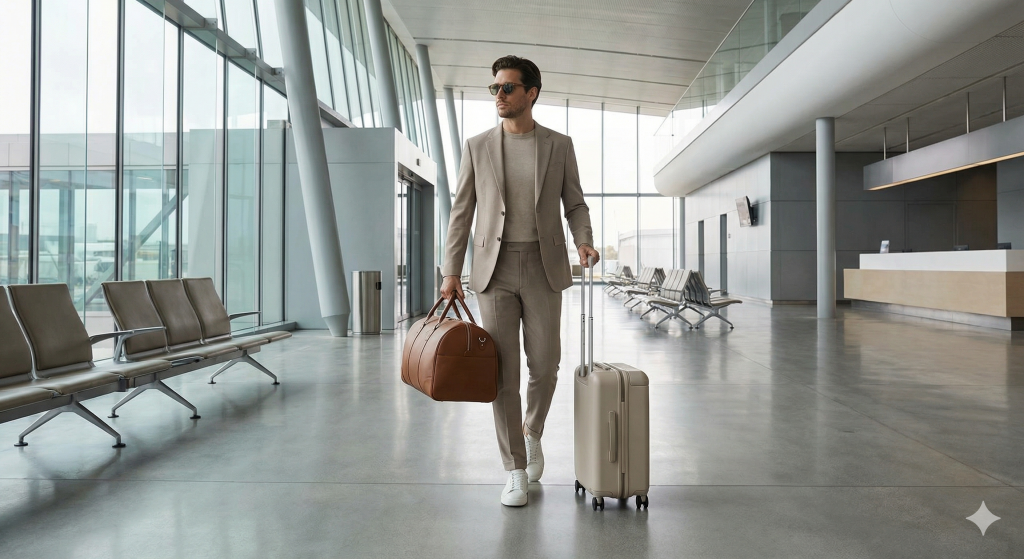
The dominance of this trend also stems from a collective desire for sensory calm. The airport environment is inherently chaotic—beeping scanners, crowded gates, and shifting time zones. By adopting a palette of slate, oatmeal, and midnight navy, travelers are effectively creating a “personal sanctuary” through their wardrobe. I’ve noticed that the most influential pieces this year—the oversized unstructured blazer, the wide-leg knit trouser, and the modular tech-tote—all serve a dual purpose: they provide the comfort of loungewear while maintaining the authority of a formal ensemble. In 2026, the ultimate flex isn’t how much you’re wearing, but how effortlessly you move through the terminal.
Essential Fabrics for High-Altitude Comfort: Prioritizing Breathability and Wrinkle-Resistance
When I curate the ultimate minimalist travel capsule, my first rule is simple: if the fabric can’t survive a ten-hour flight looking as crisp as it did at check-in, it doesn’t make the cut. High-altitude environments demand a highly specific material profile, and in my years of analyzing jet-set fashion, I’ve found that the foundation of any effortless airport look relies entirely on the textile.
Airplane cabins are notoriously unpredictable microclimates, fluctuating between stiflingly warm and freezing cold. Because of this, I always prioritize thermoregulating, highly breathable fabrics. Ultra-fine Merino wool is my absolute holy grail here. Forget the chunky, itchy knits of the past; today’s lightweight merino is exceptionally breathable, naturally odor-resistant, and manages moisture flawlessly. I rarely board a long-haul flight without a seamless merino base layer draped effortlessly under an oversized blazer.

Then comes the challenge of prolonged sitting. We all want to step onto the tarmac looking perfectly put together, which makes wrinkle-resistance non-negotiable for a true minimalist aesthetic. While I adore linen for summer resort wear, I actively avoid it for transit. Instead, I gravitate towards Tencel, Modal, and smart technical blends woven with a touch of elastane for structural recovery. Ponte knits are another secret weapon of mine for travel trousers. They offer the supreme stretch and comfort of your favorite loungewear, yet they drape beautifully and maintain a tailored, sleek silhouette that easily transitions from baggage claim directly to a sophisticated city lunch.
By building my travel wardrobe strictly around these specific, high-performance textiles, I eliminate the need for bulky over-packing. A few highly functional, breathable, and crease-proof pieces are all I ever need to maintain that coveted, understated elegance at 30,000 feet.
Key Minimalist Airport Fashion Trends to Master Your Travel Uniform
When I curate travel wardrobes for my clients, I always emphasize that the airport is your first runway, but comfort is the ultimate luxury. I’ve spent years observing and forecasting travel style, and the shift towards minimalism isn’t just an aesthetic choice; it’s a strategic one. Stripping away the excess leaves us with functional, highly polished pieces that make transit effortless.
The foundation of the look I always recommend begins with the Elevated Matching Set. I’m not talking about old, worn-out sweatpants. Instead, I gravitate towards fine ribbed knits, cashmere blends, or structured jersey in monochromatic tones like oatmeal, charcoal, or classic black. A matching lounge set creates an instantly cohesive silhouette without requiring a single styling decision before an early morning flight.
Another trend I am absolutely obsessed with right now is Draped Oversized Outerwear. A slouchy trench coat or a structured oversized blazer is my secret weapon for instant polish. You can wear the simplest white t-shirt and relaxed wide-leg trousers underneath, but the moment you throw a beautifully tailored, oversized layer on top, you look like you belong in a first-class lounge. Plus, it serves double duty as a blanket during chilly, heavily air-conditioned flights.
Let’s talk about footwear, because I’ve seen too many flawless travel outfits ruined by complicated shoes. My strict rule is: if it takes more than three seconds to take off at security, leave it in your checked bag. I champion the Sleek Slip-On. Think buttery leather loafers, minimalist mules, or clean, logo-less white sneakers. They ground a minimalist outfit beautifully while offering the pragmatism that travel demands.
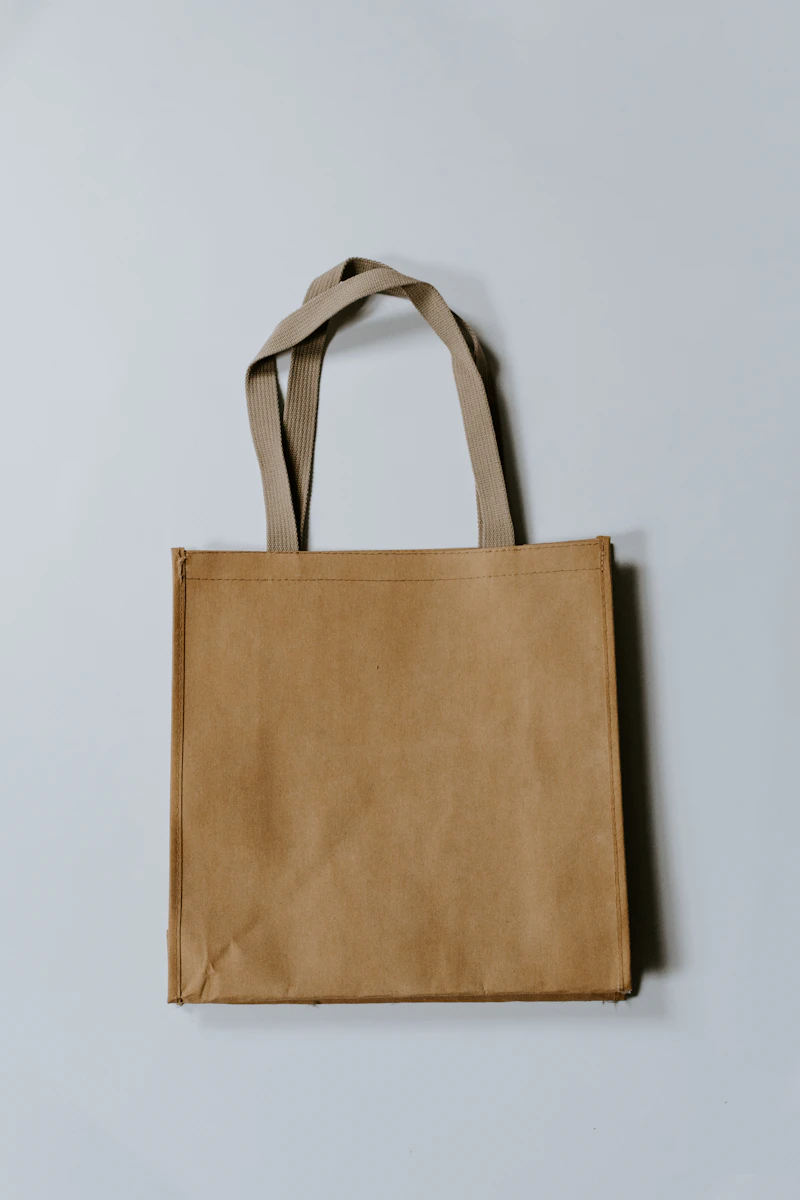
Finally, I always tie my travel uniform together with a Structured Leather Tote. I’ve completely abandoned fussy backpacks in favor of large, architectural totes. They easily hold a laptop, a hydration mask, and my passport, all while maintaining a clean, sharp line that complements the soft draping of my clothing. By adhering to these core trends, I guarantee you will navigate your next terminal feeling both incredibly comfortable and effortlessly chic.
Trend 1: The Tech-Jersey Co-ord Set – Merging Performance with Polish
I’ve been tracking a definitive shift in the jet-set uniform, and nothing epitomizes the “new minimalism” quite like the Tech-Jersey Co-ord Set. We are finally moving past the era of baggy, oversized sweats that lose their shape by the first layover. Instead, I’m seeing a surge in high-gauge, synthetic-blend jerseys that offer the structural integrity of a suit with the four-way stretch of performance gear.
What makes this trend a powerhouse for the modern traveler is its wrinkle-resistant DNA. You can endure a ten-hour long-haul flight and emerge at the arrivals gate looking entirely unruffled. The aesthetic is “polished clinical”—think matte finishes, bonded seams, and hidden zippers that eliminate visual clutter. I recommend leaning into a monochromatic palette; charcoal, navy, or a deep espresso. This tonal consistency doesn’t just elongate the silhouette; it signals a level of intentionality that tells the world you’ve mastered the art of the transit.
To truly execute this look, pay attention to the hemline. We’re seeing a move toward tapered joggers or straight-leg trousers paired with a structured quarter-zip or a minimalist crewneck. It’s a modular system that works as hard as your passport. It’s not just about comfort anymore—it’s about aerodynamic elegance. When you’re gliding through security in a set that feels like pajamas but looks like high-end tailoring, you’ve officially won the airport style game.
Trend 2: Oversized Cashmere Shrugging – The Art of Sophisticated Layering
When I curate airport looks for my private clients, I constantly emphasize that true minimalism should never demand sacrificing comfort for the sake of aesthetics. In my years of analyzing terminal style, I’ve found that the ultimate secret weapon for navigating unpredictable cabin climates is a generously oversized cashmere knit, styled intentionally as a dramatic shrug. There is an undeniable, quiet elegance in tossing a luxuriously soft, voluminous sweater over a foundational silk camisole or a structured organic cotton t-shirt. It is an effortless, almost nonchalant gesture that immediately elevates your transit ensemble from merely functional to decidedly first-class.

I always recommend investing in a grounding, earthy palette for this specific piece—think heather charcoal, warm oatmeal, or a rich, deep espresso. These sophisticated neutrals not only forgive the inevitable wear-and-tear of international travel but also anchor the rest of your capsule wardrobe. Picture this: you are striding through the lounge in relaxed, wide-leg wool trousers and sleek leather loafers, with a substantial cashmere piece draped effortlessly across your shoulders. The moment that harsh airplane AC kicks in, you simply unknot the sleeves and cocoon yourself in unparalleled warmth. While I frequently source these perfect layering pieces from heritage purveyors like Loro Piana or Brunello Cucinelli, I also love advising my readers to raid the men’s department. Sizing up in a classic men’s crewneck often yields that perfectly slouchy, sophisticated silhouette that makes this trend so visually captivating.
Trend 3: Compression-Core Aesthetics – Sculpted Silhouettes for Long-Haul Recovery
I’m seeing a fascinating shift where medical-grade utility meets high-street luxury. We’ve moved far beyond the days of hiding bulky compression socks under baggy sweatpants. Today, I’m tracking the rise of Compression-Core—a trend that prioritizes vascular health and muscle recovery without sacrificing an ounce of style. This aesthetic is defined by sculpted, high-denier silhouettes that provide a consistent “hug” to the body, designed specifically to combat the physiological stresses of cabin pressure and long-term stasis.
In my recent observations at international hubs, the “sculpted traveler” look is dominating. Think seamless, matte-finish leggings and mock-neck tops engineered with graduated compression zones. These pieces aren’t just flattering; they are functional armor against deep vein thrombosis (DVT) and post-flight inflammation. I recommend looking for technical blends that incorporate moisture-wicking properties, ensuring that as your body temperature fluctuates between the terminal and the 30,000-foot ceiling, you remain perfectly regulated.
To master this look, I suggest layering a structured, oversized blazer or a crisp poplin shirt over your compression base. This creates a sophisticated play on proportions: the ultra-sleek, technical underlayer contrasted with the relaxed volume of minimalist outerwear. It’s a deliberate, high-performance approach to travel—proving that you can arrive at your destination looking sharp, feeling light, and completely skipping that dreaded “heavy leg” sensation.
Trend 4: Monochromatic Utility Bags – Sleek Storage Without the Bulk
Whenever I observe the security lines at JFK or Heathrow, the most striking evolution in minimalist travel isn’t just the clothing—it’s the carry-on. Gone are the days of heavily branded, logo-plastered totes clashing with your carefully curated neutral outfit. Instead, I am completely obsessed with the rise of monochromatic utility bags. These pieces offer the ultimate holy grail for the modern traveler: sleek, architectural storage that provides maximum organization without a hint of visual bulk.
I always advise my clients to look for tonal hardware. Think matte black zippers on a black nylon crossbody, or powder-coated clasps on a slate grey weekender. This lack of contrast creates a seamless silhouette that blends instantly into a minimalist wardrobe. A perfect example is the structured sling bag—a piece I personally never board a flight without. It keeps your passport, boarding pass, and noise-canceling headphones pressed safely against your chest, while its monochromatic palette ensures it looks like an intentional part of your outfit rather than a cumbersome afterthought. If you are looking for inspiration on these seamless designs, curated luxury bag archives often showcase exactly how tonal utility elevates a travel look.

To master this trend, I recommend focusing on materials that offer both structure and resilience. Ballistic nylon, rubberized canvas, and matte full-grain leathers are my top choices because they withstand the inevitable scuffs of overhead bins while maintaining a crisp, polished appearance. By matching the shade of your utility bag to your base travel layer—say, a navy tech-fabric tote paired with a navy trench coat—you create an elongated, unbroken visual line. It’s an effortless styling trick I use to make airport transit feel less like a chaotic chore and more like an intentional runway presentation.
Footwear Focus: Slip-On Innovation and the Return of the Minimalist Loafer
When I look at the current landscape of travel style, the most significant shift isn’t happening at eye level—it is happening at the terminal floor. We have finally moved past the era of over-engineered sneakers and cumbersome laces that turn the security line into a bottleneck. My current obsession, and the centerpiece of a truly minimalist travel wardrobe, is the sophisticated slip-on.
I am seeing a massive resurgence of the minimalist loafer, but not as the rigid, blister-inducing relic of the past. The modern iteration focuses on deconstructed leathers and glove-like fits that prioritize “malleable luxury.” These silhouettes offer a seamless transition from the business class cabin to a post-flight gallery opening without a single wardrobe change. Look for unlined suede or buttery Nappa leather versions that can be stepped into effortlessly.
Beyond the classic loafer, we are witnessing a wave of technical slip-on innovation. Brands are now fusing the ergonomic support of a performance runner with the clean, uninterrupted lines of a Chelsea boot or a mule. These “hybrid” shoes rely on internal elastic gussets and lightweight EVA outsoles, ensuring that your stride remains feather-light through long layovers. For the minimalist traveler, the goal is a silhouette that looks like a sculpture but feels like a second skin—proving that “low effort” and “high style” are no longer mutually exclusive.