
2026 Office Minimalism: Why ‘Affordable’ Now Means Longevity over Low-Cost
I’ve spent the last few months analyzing how our collective relationship with the “office uniform” has shifted, and in 2026, I’m seeing a beautiful, overdue recalibration. We are finally moving past the era of the $15 polyester blouse that loses its shape after three washes. Today, “affordable” isn’t a race to the bottom of the price tag; it is a calculated investment in longevity.
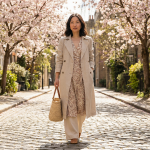
When I talk to clients about building a minimalist work wardrobe this year, I emphasize the “Cost Per Wear” (CPW) metric as the ultimate fashion authority. We are gravitating toward high-street heroes like COS and Quince, which have mastered the art of luxury-grade materials—think Tencel™ lyocell, recycled wool blends, and heavyweight organic cotton—at mid-range prices. These pieces aren’t just clothes; they are structural assets. A 2026 power closet is built on a foundation of wide-leg trousers in earthy tones and oversized, “liquid-drape” blazers that look just as sharp in a boardroom as they do at a casual gallery opening.

I’ve observed that the true 2026 minimalist understands that buying a $120 pair of well-tailored, washable silk trousers is infinitely more “affordable” than replacing a $30 fast-fashion alternative four times a year. We are seeing a surge in tonal dressing—pairing a sand-colored knit with camel slacks—which creates an “expensive” visual weight without the designer price tag. By focusing on fiber integrity and modular design, we aren’t just dressing for work; we are curated a permanent collection that resists the noise of micro-trends. The 2026 office aesthetic is quiet, intentional, and built to last well into the next decade.
5 Defining Minimalist Trends for the 2026 Workplace
HTML
As we navigate the professional landscape of 2026, I’ve observed a powerful shift in the minimalist aesthetic. It is no longer just about “less”; it’s about intentionality and tactical versatility. The modern office demands a wardrobe that works as hard as we do, without the luxury price tag. Based on the latest runway shifts and consumer insights, here are the five defining trends I’m currently implementing for a high-impact, budget-conscious workplace wardrobe.
1. The “Soft Armor” Silhouette
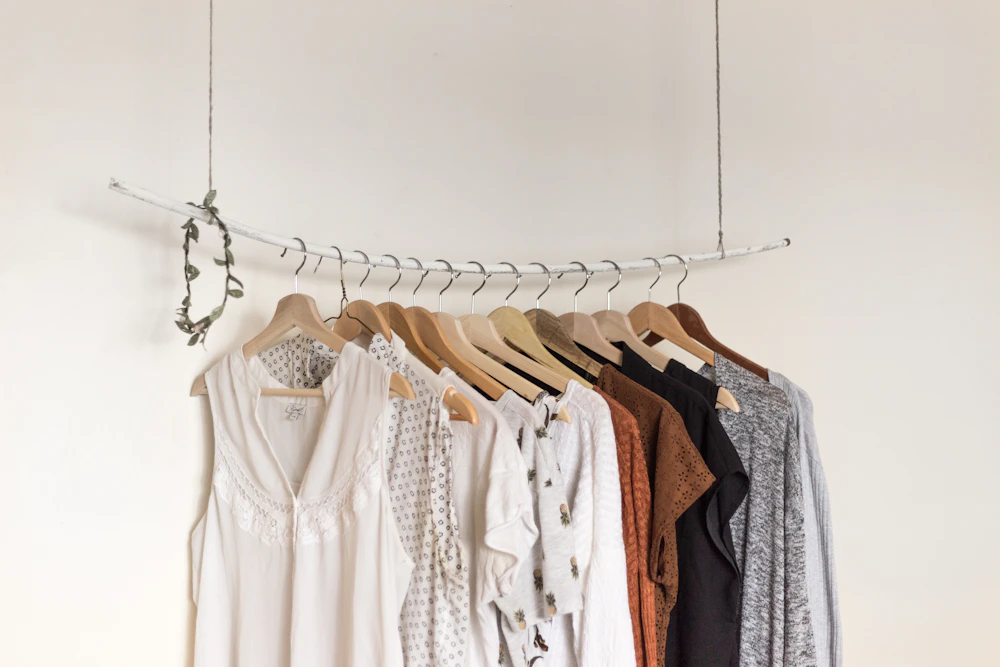
I am seeing a move away from the rigid, constricting blazers of the past toward what I call “Soft Armor.” This trend focuses on structured yet fluid pieces—think unlined oversized blazers and high-waisted wide-leg trousers in Tencel or organic cotton blends. Brands like Quince and Uniqlo have mastered this by offering breathable, wrinkle-resistant fabrics that maintain a sharp line from your 9 AM meeting to a 6 PM dinner. The goal here is a silhouette that commands respect through volume and drape rather than stiff padding.
2. Earth-Tone Monochromatics
In 2026, the minimalist color palette has expanded beyond just stark white and black. I recommend leaning into “Grounded Neutrals”—specifically Sage Green, Cocoa Powder, and Shale Blue. Dressing head-to-toe in a single earthy tone is the ultimate “affordable luxury” hack. It creates an elongated, expensive-looking line. By mixing textures—like a matte cotton button-down with a silk-blend slip skirt in the same hue—you add depth to the outfit without needing a single accessory.
3. Elevated Knitted Basics
The “casualization” of the office has evolved. I’m replacing standard jersey tees with refined knitwear. Fine-gauge polo sweaters and knitted shells have become the new staples. They offer the comfort of a T-shirt but the visual polish of a tailored shirt. For those on a budget, look for “merino-rich” or “silk-cotton” blends during seasonal sales; these materials hold their shape and color far longer than cheap synthetics, ensuring your minimalist look stays crisp.
4. The “Sculptural” Accented Flat
The era of the painful stiletto is officially behind us. In 2026, minimalism at work is anchored by sculptural flats. We are seeing pointed-toe loafers and square-toed Mary Janes with architectural details—think a subtle metallic buckle or an asymmetrical strap. These shoes provide the “edge” that a minimalist outfit needs. Investing in one high-quality pair of leather or high-end vegan leather flats from mid-tier labels like COS or Everlane can instantly elevate a basic trousers-and-tee combination.
5. Modular Outerwear: The Cropped Trench
Finally, I’m obsessed with the reimagined trench coat. For 2026, the traditional long trench has been cropped at the waist or designed with detachable sleeves. This modularity is perfect for the transitional office environment. A cropped trench functions as a blazer alternative indoors while providing weather protection outdoors. It’s a versatile piece that maximizes your cost-per-wear, embodying the “buy less, wear more” philosophy that defines 2026’s sustainable minimalism.
1. Soft Power Tailoring: The Shift from Sharp Shoulders to Fluid Drapes
I’ve observed a profound shift in the corporate aesthetic lately, one that moves away from the aggressive “armor” of the past. We are collectively stepping away from the rigid, razor-sharp shoulder pads that defined 1980s power dressing and moving toward what I like to call Soft Power Tailoring. In my view, this is the ultimate win for the minimalist professional on a budget; it prioritizes fluidity and the natural silhouette over stiff, expensive structural reinforcements.
When I scout for affordable pieces that embody this trend, I look for unstructured blazers and fluid drapes in materials like Tencel, modal, or high-quality rayon blends. These fabrics offer a luxurious “liquid” movement that mimics high-end silk or wool crepe without the luxury price tag. The silhouette is relaxed yet intentional—think dropped shoulders and elongated lapels that create a vertical line, offering an air of effortless authority.
The beauty of this shift lies in its versatility. A fluid, oversized blazer in a neutral oat or charcoal doesn’t just sit in your closet waiting for a board meeting; it softens a pair of tailored trousers or elevates a simple jersey midi dress. By choosing pieces that focus on drapery rather than construction, you bypass the need for perfect, high-cost tailoring, allowing the garment to move with you. This is how we define modern professionalism now: not by how much space our shoulders take up, but by the quiet confidence of a silhouette that breathes.
2. ’90s-Infused Corporate Minimalism: Clean Lines and Column Silhouettes
I’ve always been a believer that the most powerful statement in a boardroom is often the quietest. Right now, I’m seeing a massive resurgence of ’90s-infused minimalism that feels incredibly relevant for the modern professional. This isn’t about the flashy power suits of the ’80s; it’s about a return to the clean lines and column silhouettes perfected by icons like Carolyn Bessette-Kennedy. The beauty of this trend is its inherent affordability—since the look relies on structure rather than expensive embellishments, you can easily achieve a high-end aesthetic with budget-friendly, high-street finds.
When I advise clients on building this look, I tell them to focus on the vertical axis. Think longline vests paired with matching floor-skimming trousers, or a simple mock-neck knit tucked into a pencil skirt that hits just below the knee. These silhouettes create a continuous, unbroken line that radiates authority and sophistication. By opting for a palette of monochromatic neutrals—charcoal, bone, and navy—you make your affordable pieces look significantly more luxurious. It’s a masterclass in “stealth wealth” where the cut does all the talking, proving that you don’t need a designer budget to command a room with effortless, architectural grace.
3. Textural Contrast: Pairing Matte Vegan Leathers with Ribbed Micro-Knits
To keep a minimalist office wardrobe from feeling flat or uninspired, I always look to the interplay of surfaces rather than the addition of color. This season, I am particularly obsessed with the sophisticated tension created by pairing matte vegan leathers with ribbed micro-knits. It is a styling trick that looks incredibly high-end but can be executed perfectly on a budget if you know what to look for.
I recommend starting with a slim-fitting, ribbed micro-knit turtleneck or crewneck. The fine vertical lines of the knit add a subtle architectural element to your silhouette while offering the comfort necessary for a ten-hour workday. When you tuck this into a high-waisted, matte vegan leather pencil skirt or a pair of tailored faux-leather trousers, the outfit immediately transforms. The way the soft, light-absorbing texture of the knit sits against the smooth, slightly structured finish of the vegan leather creates a visual “expensive” depth that doesn’t require a single piece of jewelry to feel complete.
When sourcing these pieces affordably, I suggest focusing on the “matte” factor of the leather. High-shine synthetics can often look inexpensive under harsh office fluorescent lights, whereas a duller, buttery finish mimics genuine hide with surprising accuracy. By sticking to a monochromatic palette—think charcoal, espresso, or deep forest green—you allow the textural contrast to be the star of the show. It’s a modern, tactile approach to professional dressing that feels intentional, edgy, and entirely polished.
4. The New Earth-Tone Palette: Integrating Butter Yellow and Sage into Neutrals
I’m currently seeing a sophisticated shift in how we define “workplace neutrals.” While charcoal and beige will always have a seat at the table, I’m obsessed with how Butter Yellow and Sage Green are revitalizing the minimalist office wardrobe without breaking the bank. These aren’t just “trendy colors”; they function as soft neutrals that add a luminous, high-end feel to affordable fabrics like linen blends and organic cotton.
When I advise clients on integrating these shades, I suggest treating Sage as your new navy. A sage oversized blazer paired with existing cream trousers creates an expensive-looking tonal contrast. Meanwhile, Butter Yellow—which I call the “stealth wealth” hue of the season—works beautifully in silk-satin midis or crisp button-downs. These tones are incredibly forgiving and mix seamlessly with the whites and tans you already own, allowing you to expand your rotation with just two or three key pieces.
The beauty of this palette lies in its versatility. You can easily find these shades at accessible retailers, but because they mimic the organic dyes found in luxury “quiet luxury” collections, they instantly elevate the perceived value of your outfit. It’s a refreshing departure from the starkness of monochrome, offering a look that feels approachable, professional, and undeniably modern.
5. Sculptural Footwear: Why Gathered Loafers are the New Office Standard
I’ve observed a definitive shift in the corporate landscape where the rigid, blister-inducing stiletto is finally being dethroned by something far more intellectual and, frankly, wearable. Enter the gathered loafer. This isn’t just another flat; it is a piece of wearable architecture that brings a sculptural edge to the minimalist wardrobe without requiring a luxury-sector paycheck. What makes these the new office standard is their unique construction—that soft, puckered leather detailing adds a layer of visual texture that replaces the need for loud hardware or logos.
When I’m styling clients on a budget, I always point them toward this silhouette because it bridges the gap between formal and avant-garde. The elasticized “gathered” throat of the shoe creates a fluid, organic shape that softens the sharp lines of tailored trousers. Unlike traditional, stiff loafers that can feel a bit “academic,” the sculptural gathered version feels intentional and modern. It signals that you understand the nuances of proportional play—pairing a voluminous shoe with a slim cigarette pant or using its soft curves to ground a structured midi skirt.

The beauty of this trend lies in its accessibility. High-street retailers have mastered the art of the supple, vegan-leather gather, meaning you can achieve that high-end “art gallery director” aesthetic for under $100. I recommend sticking to a palette of almond, espresso, or slate gray. These tones highlight the shadows and highlights of the gathered leather, making the footwear look significantly more expensive than it actually is. It’s the ultimate “power move” for the minimalist professional: a shoe that commands attention through its silhouette rather than its price tag.
Smart Styling Hacks: Making High-Street Basics Look Like High-End Labels
I’ve spent years analyzing the fine line between “budget” and “bespoke,” and I can tell you that the secret to a high-end office aesthetic isn’t a four-figure price tag—it’s the architectural integrity of your silhouette. When I’m styling high-street basics for a professional environment, my first rule is to ignore the original buttons. Replacing cheap plastic fasteners on a standard Zara blazer with horn, mother-of-pearl, or brushed gold alternatives instantly elevates the garment’s perceived value by a thousand dollars. It’s a tactile trick that suggests custom tailoring rather than off-the-rack convenience.
To achieve that coveted minimalist “quiet luxury” look, I always lean into the monochrome sandwich technique. By layering varying textures of the same neutral shade—think a cream ribbed knit tucked into bone-colored wide-leg trousers—you create a visual continuity that mimics expensive fabric sourcing. I also recommend investing in a handheld steamer; a crisp, wrinkle-free drape is the ultimate hallmark of a high-end wardrobe. When your high-street trousers fall with the precision of a Celine piece because they’ve been properly pressed and subtly tailored at the hem, no one will ever question their origin.
Finally, I cannot stress the importance of structural contrast. If you are wearing a soft, affordable turtleneck, pair it with a stiff, faux-leather belt or a structured vegan leather tote. That tension between soft and hard textures creates a sophisticated visual complexity. Remember, luxury is often found in the details we choose to emphasize—keep your jewelry sculptural and singular, and let the clean lines of your styling do the talking.