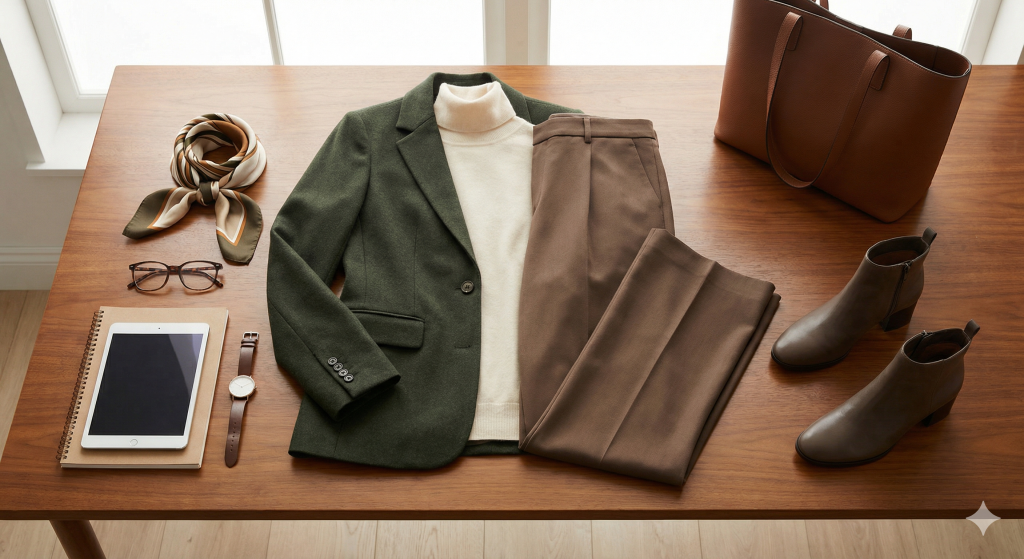

Why Modest Fall Fashion is Taking Over the Workplace in 2026
I’ve spent the last month reviewing the Fall/Winter 2026 lookbooks from major luxury houses and contemporary workwear brands, and the shift is undeniable. The era of the hyper-tailored, skin-baring “power suit” is making way for a completely different silhouette. We are seeing an explosive pivot toward modest fashion in corporate environments. This isn’t a niche aesthetic or a temporary micro-trend; it’s a structural change in how professional women are choosing to present themselves. High necklines, dropped hemlines, and voluminous layering are the new standard for workplace authority this autumn.
The driving force behind this takeover is the evolution of “quiet luxury” into what my team and I are calling “protective professionalism.” After years of wildly fluctuating dress codes, professionals in 2026 are craving distinct, physical boundaries between their personal and corporate lives. Modest fashion offers exactly that. By prioritizing coverage, women are reclaiming physical comfort without sacrificing an ounce of gravitas. You command the room when the focus is entirely on your expertise, framed by impeccable, understated tailoring rather than fussy, restrictive fits.
The retail data backs this up entirely. Recent purchasing reports from premier luxury fashion buyers show a massive shift in corporate wardrobe investments:
- A 45% increase in search volume and pre-orders for “office-appropriate maxi skirts” compared to last fall.
- Drastic declines in orders for traditional knee-length pencil skirts and fitted v-neck blouses, replaced almost entirely by wide-leg trousers and mock-neck knitwear.
- Surging demand for longline, draped outerwear and dusters designed to be worn indoors as a core component of the outfit.
The 2026 corporate woman wants garments that move effortlessly with her through a demanding 12-hour day—from morning strategy meetings to brisk autumn commutes—without requiring constant readjustment. Modest fashion inherently plays with architectural shapes to achieve this. A heavy, floor-sweeping trouser paired with a structured, high-neck blouse creates a visual weight that physically takes up space in a conference room. The narrative has completely flipped: opting for substantial, modest cuts is now perceived as a deliberate, high-status sartorial flex. It signals that you are secure enough to let the drape, proportion, and quality of your garments speak for themselves.
Key Fabrics and Colors for Modest Office Wear This Autumn
The shift to autumn office wear hinges entirely on texture and weight, replacing the breezy linens of summer with materials that provide structure and coverage without adding unnecessary bulk. When styling modest silhouettes, fabric drape dictates everything. A lightweight summer cotton might cling or wrinkle under a blazer, whereas a dense autumnal weave holds its shape, maintaining the sharp, professional lines required in the workplace. I constantly remind my private styling clients that extensive coverage combined with flimsy fabric often looks unkempt, whereas the exact same coverage paired with substantial fabric reads as bespoke and expensive.
Transitioning from Lightweight to Fall Fabrics: A Comparative Guide
Navigating the seasonal transition requires swapping out sheer or highly breathable summer staples for fabrics that guarantee opacity and warmth. The fabric exchange matrix below details exactly how we transition a professional wardrobe for the autumn months to ensure pieces remain modest, tailored, and functional.
| Summer Fabric | Autumn Alternative | Why It Works for Modest Workwear |
|---|---|---|
| Linen | Brushed Twill | Fully opaque, holds a sharp pressed crease, and provides a structured silhouette that never clings to the legs or hips. |
| Chiffon/Georgette | Heavyweight Silk or Cupro | Drapes elegantly over the collarbone and wrists with zero sheer spots, making it the ideal choice for high-neck blouses. |
| Lightweight Cotton | Fine-gauge Merino Wool | Regulates fluctuating office temperatures and provides a smooth, bulk-free base for layering underneath tailored vests. |
| Viscose | Double-faced Crepe | Adds architectural weight to maxi skirts and wide-leg trousers, ensuring the garment drops straight down and moves with you. |
The 2026 Modest Autumn Color Palette: Professional Pairings
This season, we are stepping away from the harsh, expected contrasts of standard black and white. For 2026, the modest workwear palette is deeply rooted in rich, grounding neutrals mixed with calculated jewel tones. When you are wearing garments that naturally cover more skin, choosing the right color combinations prevents the outfit from looking visually heavy, stifling, or monolithic.
- Espresso & Powder Blue: Instead of stark black, I am sourcing espresso brown double-breasted blazers and pairing them with crisp, powder-blue high-neck blouses. The light blue draws light up to the face, while the deep brown grounds the outfit with a softer authority than traditional corporate black.
- Olive Drab & Rich Burgundy: This is a masterclass in mixing autumnal tones without looking like a holiday display. A burgundy tailored maxi skirt paired with a fitted olive merino wool turtleneck creates a striking, color-blocked column that is entirely boardroom-appropriate but highly stylized.
- Oatmeal & Slate Grey: Tonal dressing remains the most reliable trick I know for looking instantly polished. Layering a heavy oatmeal silk blouse under a slate grey wool waistcoat offers a low-contrast, highly sophisticated aesthetic that forces the eye to appreciate the luxury of the fabrics rather than loud, distracting prints.
Transitioning from Lightweight to Fall Fabrics: A Comparative Guide
Swapping out your breathable summer wardrobe for autumn-ready pieces requires a strategic shift in both fabric weight and drape, particularly when maintaining a modest silhouette in a corporate environment. In my years styling executive clients, I’ve found that simply piling heavy sweaters over summer clothes inevitably leads to unprofessional bulk or frustrating static cling. The secret is not just adding layers, but substituting lightweight staples with structured, heavier counterparts that stand on their own.
When curating a modest office look, the way a textile falls away from the body is everything. Lightweight summer materials drape closely to the figure and often require extensive under-layering to achieve true opacity. Fall textiles, by contrast, offer built-in architecture. I use a strict substitution matrix for my clients to ensure this seasonal transition retains professional polish:
| Summer Staple | Fall Upgrade | The Modest Styling Benefit |
|---|---|---|
| Linen Trousers | Worsted Wool or Heavy Gabardine | Linen wrinkles easily and lacks insulation. Worsted wool provides a crisp, opaque finish that holds a sharp pleat through hours of meetings, ensuring a structured fit that never clings to the leg. |
| Cotton Poplin Blouses | Heavyweight Silk Charmeuse or Viscose Twill | Poplin is crisp but cold. Viscose twill and 22+ momme silk offer a substantial, opaque drape that skims the torso rather than grabbing it, completely eliminating the need for modesty camisoles underneath. |
| Chiffon Midi Skirts | Wool Crepe or Heavy Ponte Knit | Chiffon demands multiple base layers for coverage. Wool crepe is inherently opaque and provides a beautiful, weighted swing that maintains its shape and your modesty, even in the autumn wind. |
Navigating the tricky early fall weeks involves mastering the medium-weight textile. I always direct professionals to look for fabrics in the 250-350 GSM (Grams per Square Meter) range during September and October. You need garments that breathe when the afternoon sun hits the boardroom window, yet provide enough insulation during the brisk morning commute.
To execute this transition flawlessly, pay strict attention to the surface texture of your fabrics. Matte finishes naturally absorb light and lend a heavier, richer feel to the garment, even if the actual physical weight is manageable. By systematically replacing high-transparency, high-wrinkle summer fabrics with dense, structured fall alternatives, you build a wardrobe foundation that naturally supports modest styling principles without feeling restrictive.
The 2026 Modest Autumn Color Palette: Professional Pairings
This season, the color wheel for conservative office environments is undergoing a sophisticated recalibration. We are stepping away from the stark, high-contrast black-and-white uniform that often feels rigid in modest silhouettes. For Fall 2026, the modest wardrobe relies heavily on what we call “shadowed jewel tones” and grounded earth bases. These muted, complex hues allow for the heavy layering required by modest dressing without making the final outfit look cluttered or visually overwhelming.
When styling executive clients who prefer higher necklines and longer hemlines, I always emphasize that tonal dressing is your strongest asset. Monochromatic or low-contrast styling prevents the body from being awkwardly sectioned by fabric breaks. Here are the precise color combinations dominating the 2026 corporate floors, designed specifically for modest layering.
| Base Tone (Outerwear/Bottoms) | Accent Tone (Inner Layers/Blouses) | Professional Impact |
|---|---|---|
| Deep Espresso | Slate Blue | Approachable Authority |
| Oxblood / Bordeaux | Oatmeal / Raw Silk | High-Level Executive Presence |
| Charcoal Grey | Muted Matcha | Creative Professionalism |
- The Espresso Shift: Black is officially taking a back seat. Rich, deep espresso is our new anchoring neutral. When you layer a high-neck blouse under a tailored vest, stark black can immediately drain the complexion and flatten the outfit’s dimension. Espresso provides the necessary depth for heavy fall fabrics without the harshness. I highly recommend pairing an espresso heavy-crepe maxi skirt with a slate blue silk turtleneck. This specific combination creates a fluid, uninterrupted vertical line, which is essential for elongating the silhouette when wearing voluminous, modest cuts.
- Oxblood and Oatmeal: Oxblood is the undeniable powerhouse color on the 2026 runways, and it translates beautifully to corporate environments. It exudes authority while remaining entirely conservative. Instead of pairing it with a bright, optic white button-down—which creates a jarring visual break—swap in an oatmeal or raw silk tunic underneath an oxblood structured blazer. This low-contrast pairing keeps the observer’s focus on the sharp tailoring of your blazer rather than the stark transition between colors.
- Muted Matcha and Charcoal: Green has evolved from the vivid emeralds of past years into a subdued, powdery matcha. This is your go-to for textural contrasts. In practice, try pairing a charcoal herringbone wide-leg trouser with a matcha cashmere oversized sweater. The combination feels understated but unmistakably current, injecting just enough color into a dreary November workday while strictly adhering to corporate dress codes. To avoid breaking the line, ensure your footwear matches the charcoal base rather than introducing a third distracting color.
Top Modest Fall Fashion Trends for Professional Settings
Fall 2026 brings a definitive shift away from hyper-fitted corporate silhouettes, replacing them with architectural volume and deliberate coverage. In my showroom visits this season, designers are prioritizing modesty as a foundational design principle for workwear rather than a simple styling afterthought. The overarching theme for professional settings right now is proportion play—balancing relaxed, full-coverage fits with sharp tailoring to maintain absolute authority without sacrificing personal boundaries.
Oversized Blazers and Structured Shoulders: 3 Styling Steps
The power shoulder is back, refined for the modern office. A heavily structured, oversized blazer provides complete upper-body coverage, masks the natural waistline, and projects immediate competence in the boardroom. To keep this trend strictly professional rather than casual streetwear, I walk my corporate clients through three precise styling steps:
- Anchor the Shoulder: The garment must fit perfectly across your actual shoulder span. Even if the body of the blazer is dramatically voluminous, a drooping shoulder seam instantly looks sloppy. Look for internal shoulder pads that sit flush with your natural shoulder line.
- Contrast the Volume: Since the blazer introduces significant bulk, pair it with a streamlined lower half. A straight-leg trouser or a sleek column skirt ensures the overall silhouette remains grounded and intentional.
- Mind the Hemline: For true modest styling, the blazer hem should fall exactly at or just below the sub-gluteal fold. This provides full rear coverage and creates an uninterrupted vertical line down the body.
Maxi Skirts with Heavyweight Materials: Length and Fit Parameters
Since we have already established the seasonal shift to denser textiles, it is important to note how these heavier weights completely alter skirt drape. Flimsy summer maxis are out; structured, sweeping A-lines and rigid column maxis are the standard for autumn office attire. Getting the fit right is the difference between a polished executive look and looking physically overwhelmed by fabric.
| Skirt Silhouette | Ideal Hem Length | Fit Parameters (Ease) |
|---|---|---|
| Structured A-Line | Exactly at the ankle bone. | Fitted securely at the natural waist, requiring 2-3 inches of ease around the hips to prevent clinging or fabric pulling. |
| Column/Pencil Maxi | Lower calf to the top of the shoe vamp. | Requires a reinforced back or side vent (no higher than the knee line) for mobility, with a minimum of 1.5 inches of hip ease. |
| Pleated Heavyweight | Ankle-grazing. | Pleats must lie absolutely flat across the stomach and hips; if they pull open or distort while standing, you must size up. |
Strategic Layering Techniques: Turtlenecks under Tailored Vests
Layering is the anchor of modest dressing, but indoor office heating demands a streamlined approach to avoid physical discomfort and visual bulk. The standout combination I am pulling for my styling racks this autumn is a tissue-thin turtleneck layered beneath a fully buttoned, menswear-inspired waistcoat. This entirely eliminates neckline exposure while maintaining a highly tailored, crisp aesthetic.
When executing this look, the gauge of the knit is your primary concern. I strictly use fine-gauge merino wool or modal-blend ribbed cotton for the base layer. A chunky or medium-weight knit will immediately distort the rigid tailoring of the vest worn overtop. Keep the vest naturally fitted but not tight—you should be able to comfortably slide two fingers between the vest and your turtleneck at the waistline. Pair this combination with your wide-leg trousers, letting the structured vest act as the authoritative focal point while the turtleneck serves as a seamless, modest foundation.
Oversized Blazers and Structured Shoulders: 3 Styling Steps
The architectural silhouette of an oversized blazer paired with structured shoulders is the cornerstone of 2026’s modest office wear. I always remind my clients that “modest” does not mean “shapeless,” and a well-tailored, exaggerated shoulder provides immediate visual structure while the draped body ensures complete, comfortable coverage. We are seeing a massive shift away from the tight, restrictive jackets of past seasons toward these powerful, vintage-inspired silhouettes. To keep this look razor-sharp for the corporate environment rather than sloppy, you need to execute three precise styling parameters.
- Anchor the Volume with Elongation: When working with an oversized upper half, your bottom layer must stretch your frame visually. I regularly pair heavily structured blazers with floor-grazing, tailored wide-leg trousers. The critical measurement here is the blazer hem: it must fall just past the widest part of your hips or mid-thigh. This prevents the jacket from cutting your silhouette in half, maintaining a continuous, fluid line that respects modest dress codes while looking intensely sophisticated.
- Streamline the Base Layer: Because the blazer itself introduces significant volume, the garments worn underneath need to sit closer to the body to prevent a completely boxy, swallowed-up appearance. I rely on fine-ribbed knits or sleek, high-neck blouses tucked cleanly into the waistband. By keeping the foundation smooth and fitted, the oversized blazer acts as a powerful outer shell. You achieve the desired modesty and coverage without losing your foundational silhouette entirely under yards of heavy autumn fabric.
- Master the “Sleeve Scrunch” Proportion Trick: A structured shoulder can quickly overwhelm your frame if the sleeves hang limply past your wrists. My non-negotiable styling step is to gently push or fold the sleeves up just below the elbow. This exposes the forearm and wrist, instantly re-establishing human proportions and adding a touch of deliberate, relaxed tailoring to an otherwise rigid garment. For strict corporate environments where rolling sleeves feels too casual, I recommend using hidden sleeve garters inside the jacket arms to hold a subtle, polished scrunch perfectly in place all day.
Mastering these proportions transforms the oversized blazer from a trendy weekend piece into the most reliable asset in your professional autumn wardrobe. It communicates sheer competence, strictly maintains your coverage boundaries, and serves as the perfect structural top layer as seasonal temperatures drop.
Maxi Skirts with Heavyweight Materials: Length and Fit Parameters
Heavyweight maxi skirts are the unsung heroes of modest workwear this season, but transitioning from summer’s flowing silks to autumn’s structured wools requires a strict recalibration of fit and length. In my styling sessions for the Fall 2026 circuit, I’ve noticed a recurring pitfall: professionals confusing weekend maxis with boardroom maxis. When dealing with dense materials like heavy crepe, wool houndstooth, or structured gabardine, the margin for error is razor-thin. If the garment is too long, it catches in office chair wheels; if it is too voluminous, it swallows the silhouette entirely and leans overly casual.
Let’s establish the exact parameters for an office-appropriate maxi skirt. The foundation of a polished look lies in millimeter-perfect hemming.
| Hem Length Profile | Office Suitability | Styling Notes |
|---|---|---|
| The Ankle Grazer (Hem sits exactly at the prominent ankle bone) | Optimal | Shows off a sleek leather bootie while maintaining full modest coverage. Eliminates dragging. |
| The Shoe-Vamp Break (Hem rests lightly on the top of the shoe) | Acceptable | Best paired with column cuts. Requires precise tailoring to the specific heel height of your chosen fall footwear. |
| Floor-Sweeping (Hem touches the ground) | Strictly Avoid | Gathers office dust, creates tripping hazards, and reads as bohemian rather than corporate. |
Fit is equally unforgiving when dealing with substantial textiles. You need structure without cling, maintaining the modest aesthetic while projecting absolute authority. Here are the technical fit parameters I use when tailoring heavy maxi skirts for executive clients:
- The Waistband Architecture: Always opt for a structured, non-elastic waistband. A high-rise fit with a clean, flat front ensures you can tuck in blouses or layer tailored vests without creating abdominal bulk. Hidden side zippers are vastly superior to back zippers for a seamless profile.
- The Silhouette Calibration: Modified A-line and straight column shapes are the most professional. I advise my clients to seek out a “drop-flare” or modified A-line—a cut that falls straight from the hip and only introduces a slight flare from the knee down. This allows for a normal, commanding stride without adding excess width to the lower half.
- The Ease Metric: When fitting heavy wools, require your tailor to leave at least 2.5 to 3 inches of “ease” around the widest part of the hips. This specific measurement prevents the dense fabric from cupping the seat or wrinkling horizontally across the front, ensuring the garment remains strictly modest and comfortable during long hours sitting at a desk.
Because heavyweight fabrics inherently carry massive visual weight, look for skirts constructed with sharp, architectural details. A pressed front center crease, subtle asymmetrical seaming, or a deep inverted box pleat at the back hem will break up the monolithic block of fabric. These vertical design elements draw the eye upward, ensuring the heavy skirt anchors your outfit rather than dragging it down.
Strategic Layering Techniques: Turtlenecks under Tailored Vests
Layering a fitted turtleneck beneath a sharply tailored vest is my absolute favorite styling trick for the 2026 autumn office rotation. It instantly elevates a look while guaranteeing the high-neck and full-arm coverage essential for modest dressing. You get the sleek, continuous line of the knit paired with the architectural structure of the waistcoat, creating a silhouette that commands the boardroom without feeling overly rigid.
To master this combination without looking bulky, I rely on a strict rule of contrasting fabric weights. The turtleneck must act as a second skin. I constantly tell my clients to banish chunky cable knits from this specific equation; they will only distort the vest’s tailoring and create unflattering bunching around the waist and armpits.
Here are the three structural pillars I use to build this layered look:
- The Base Layer Precision: Opt for a superfine merino wool, a ribbed viscose blend, or a seamless modal. The sleeve should sit tightly against the wrist, ensuring it doesn’t interrupt your workflow or peek clumsily out of outerwear.
- The Vest Architecture: Select menswear-inspired waistcoats tailored from gabardine, heavy crepe, or structured wool blends. The armholes must drop at least an inch lower than your natural armpit to comfortably accommodate the sweater sleeve without friction.
- The Neckline Geometry: The interaction at the collar is where the aesthetic is defined. A sleek mock neck works beautifully inside a deep plunging V-neck vest, drawing the eye vertically. Conversely, a classic thick, fold-over turtleneck balances a higher, five-button waistcoat perfectly.
To give you a concrete framework for Monday through Friday, I have mapped out my go-to turtleneck and vest combinations for different corporate environments:
| Office Vibe | Turtleneck Specifications | Tailored Vest Pairing | The Visual Effect |
|---|---|---|---|
| Corporate Formal | Black superfine cashmere, seamlessly fitted | Charcoal pinstripe wool vest, structured shoulders | Highly authoritative; mimics the power of a three-piece suit. |
| Business Casual | Cream ribbed knit, tight mock neck | Camel or olive heavy twill vest, slightly oversized fit | Approachable yet polished; grounds the look with rich autumnal textures. |
| Creative Agency | Burgundy stretch-cotton, classic fold-over neck | Houndstooth or plaid asymmetric waistcoat | Trend-forward modesty; leverages heritage patterns to showcase personal style. |
When executing these pairings, always tuck the turtleneck cleanly into your trousers or skirt before layering the vest on top. Leaving the sweater untucked beneath a tailored waistcoat breaks your vertical line and immediately degrades the professional polish of the ensemble.
How to Build a 15-Piece Modest Capsule Wardrobe for the Office
Building a functional capsule wardrobe isn’t about restriction; it’s about strategic curation. When styling clients for the corporate environment, I always rely on a strict 15-piece foundation that maximizes outfit combinations while maintaining modesty and professionalism through the cooler autumn months. The secret to a successful fall capsule lies in selecting silhouettes that offer full coverage without looking bulky, allowing for the seamless layering techniques we discussed earlier.
Here is my exact 15-piece breakdown for a fail-proof modest workwear capsule:
- 1-4: The Base Layers (Tops)
A crisp, longline white poplin shirt (ensuring hip coverage), a fine-knit merino wool turtleneck in a neutral tone like camel or taupe, a high-neck silk blouse for formal days, and a tailored knit vest. These pieces are your workhorses, designed to be worn alone or stacked.
- 5-8: The Anchors (Bottoms & Dresses)
A heavyweight wool-blend maxi skirt, a pair of pleated, high-waisted wide-leg trousers in charcoal, a dark espresso straight-leg pant, and a structured, long-sleeve maxi dress. Notice we skip the lightweight fabrics here to ensure proper drape and workplace appropriateness.
- 9-11: The Toppers (Outerwear)
An oversized, structured blazer (houndstooth or tweed works beautifully), a longline wool coat that extends past the knees, and a dense cashmere mock-neck cardigan that acts as a softer alternative to a jacket.
- 12-15: The Finishers (Footwear & Accessories)
Knee-high leather block-heel boots (essential for bridging any gap between skirts and footwear), classic leather lug-sole loafers, a structural leather tote bag, and a versatile silk scarf to add polish and extra neckline coverage.
To illustrate how these 15 pieces generate a month’s worth of distinct looks, I have mapped out three core styling formulas in the table below. The math of a capsule wardrobe means you simply swap one variable to create an entirely new silhouette.
| Scenario | The Formula | Styling Notes |
|---|---|---|
| Boardroom Pitch | Silk Blouse + Wide-Leg Trousers + Structured Blazer + Loafers | Tuck the blouse fully. Let the oversized blazer do the heavy lifting for structure while keeping the overall silhouette modest and commanding. |
| Deep Work Days | Merino Turtleneck + Wool Maxi Skirt + Knee-High Boots + Cashmere Cardigan | This leverages the heavyweight skirt parameters we covered. The knee-high boots disappear under the hem, ensuring zero skin exposure when sitting. |
| Creative Office | Longline Poplin Shirt + Knit Vest + Espresso Pants + Loafers | Layer the knit vest over the untucked poplin shirt. This provides excellent coverage over the hips and back while looking incredibly sharp and on-trend. |
By sticking strictly to these 15 items, you eliminate morning decision fatigue. Every top inherently matches every bottom, the outerwear proportions are specifically chosen to accommodate internal layers, and the footwear grounds the heavier fall fabrics.
Accessorizing Your Modest Workwear Elegantly
When you are working with the generous fabrics and strategic layers we’ve just built into your capsule wardrobe, your accessories must do the heavy lifting to define your silhouette without compromising the modest aesthetic. I always tell my styling clients that modest dressing in autumn isn’t about simply hiding the body; it’s about mastering proportion. Accessories act as the structural checkpoints of your outfit.
Because your foundation garments—like those heavyweight maxi skirts and oversized blazers—take up significant visual volume, we need accessories that offer sharp, refined punctuation to keep the look appropriate for the boardroom.
- The Architectural Belt: A 1.5 to 2-inch leather belt with a matte hardware finish is your styling anchor. Instead of simply threading it through trouser loops, I recommend belting directly over your tailored vests or mid-weight cardigans. This creates a subtle waistline definition that respects modest boundaries while breaking up the visual bulk of layered knitwear.
- Over-the-Cuff Jewelry: Since your arms are fully covered in an autumn modest wardrobe, delicate skin-contact bracelets completely disappear. The industry trick I am leaning heavily into for 2026 is styling a thick, sculptural metal cuff directly over the sleeve of a fine-gauge turtleneck. Paired with bold, geometric stud earrings, it draws the gaze upward and injects a deliberate, high-fashion polish into standard office wear.
- The Silk Foulard: We rely on silk scarves not just for their transitional warmth, but for vital texture contrast against heavy tweeds and dense wools. Fold a 90x90cm silk square into a triangle and tuck it cleanly inside the collar of a buttoned blazer. It guarantees elegant, secure neck coverage and breaks up the monochromatic blocks of your dark autumn palette with a flash of light or pattern.
Footwear requires exact precision, especially when navigating the sweeping hemlines of long skirts and wide trousers. The absolute rule I enforce for workplace footwear in modest dressing is seamless continuity—there should be no visible break or awkward flash of skin between your hemline and your shoe.
| Garment Hemline | Ideal Footwear Pairing | Styling Rationale |
|---|---|---|
| Heavyweight Maxi Skirt | Fitted Knee-High Leather Boots | Guarantees zero skin visibility when walking, taking stairs, or sitting; adds structured, professional weight to the bottom of the silhouette. |
| Wide-Leg Wool Trousers | Pointed-Toe Patent Loafers | The sharp, elongated toe cuts aggressively through the heavy drape of the wide pant leg, preventing the lower half from looking sloppy or swallowed by fabric. |
| Midi Pleated Skirt (with opaque tights) | Block-Heel Ankle Boots | Maintains ankle stability and vertical elevation while harmonizing visually with thick 80-denier fall hosiery. |
Finally, your daily work bag needs to actively counteract the relaxed, enveloping drape of your fall layers. Slouchy hobos or unstructured canvas totes will instantly make a layered modest outfit look disheveled and weekend-casual. I consistently specify rigid, top-handle bags in structured calfskin or subtle croc-embossed leather. The sharp, geometric lines of a structured bag instantly ground the softness of layered knitwear, signaling absolute professional competence the moment you walk into the office.
FAQ
How do I avoid overheating indoors when layering heavyweight fall fabrics?
I always tell my styling clients that indoor temperature control comes down exclusively to your base layer. Since we’ve already established the necessity of structural wools and heavy cotton blends for your outerwear and maxi skirts, your immediate skin layer must prioritize breathability. I recommend a high-quality silk or modal-blend long-sleeve tee under your tailored vests and chunky cardigans. These specific natural, moisture-wicking fibers regulate body heat beautifully in a highly heated office environment while ensuring you maintain full, opaque coverage.
What footwear works best with heavyweight maxi skirts for a corporate environment?
The gap between the skirt hem and the shoe is a common styling pitfall that can break a modest, professional silhouette. To maintain a continuous line, I pair ankle boots featuring a fitted, elasticized shaft—often called “sock boots”—with heavy maxi skirts. You must ensure the boot shaft rises high enough (typically 6 to 8 inches above the ankle) so no skin is exposed when sitting or walking. For autumn 2026, a pointed-toe leather or suede boot with a sharp kitten heel elevates the heavy drape of the skirt without looking overly casual or clunky.
Can I incorporate prints into this autumn’s modest color palette?
Yes, but restraint dictates the professional impact. Because our core 2026 palette relies heavily on rich, grounded solids like oxblood, slate, and camel, I suggest introducing prints strictly through subtle, classic menswear patterns. Avoid loud, oversized florals or abstract geometries which disrupt the clean, structured aesthetic of modern tailoring. Safe, high-end bets include:
- Micro-houndstooth: Excellent for oversized blazers to add visual texture without overwhelming the frame.
- Tonal herringbone: Ideal for wool maxi skirts, creating vertical lines that elongate the body.
- Pinstripes: Best utilized on wide-leg trousers or tailored vests for an authoritative, classic corporate nod.
I already have a functional work wardrobe. What are the essential upgrades?
You do not need to replace your entire 15-piece capsule. To instantly modernize your existing modest workwear for this season, I advise investing in just two strategic updates. First, acquire a structured blazer with exaggerated shoulder pads; slipping this over your older turtlenecks instantly updates the proportion to current standards. Second, swap out any lightweight trousers for a structured, heavyweight wool maxi skirt. The updated volume and weight of these two pieces alone will pull your older staples directly into the current season’s aesthetic.