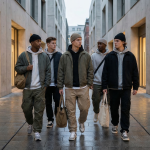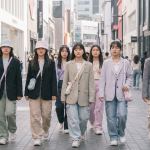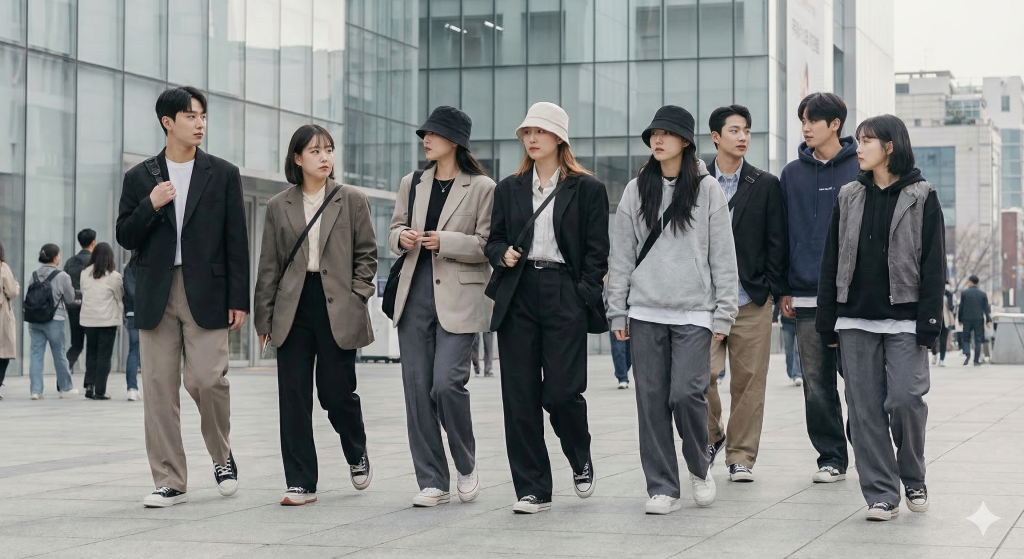

The Evolution of Korean Streetwear Fashion Trends
The genesis of Korean streetwear can be traced directly to a singular cultural earthquake in 1992: the debut of Seo Taiji and Boys. Before they hit the stage in oversized ski jackets, baggy jeans, and bucket hats, South Korean fashion was heavily regulated and traditionally conservative. As someone who has spent over a decade analyzing global apparel shifts, I pinpoint this exact moment as the birth of Seoul’s rebellion through clothing. They didn’t just introduce hip-hop to the peninsula; they imported the defiant silhouettes of American street culture and localized them for a youth demographic desperate for self-expression.
Moving into the early 2000s, we saw the epicenter of this movement solidify in specific Seoul neighborhoods, establishing a grassroots fashion infrastructure. Itaewon, with its heavy American military and expat presence, became ground zero for importing raw skate and hip-hop apparel. Simultaneously, Apgujeong evolved into the playground for the “Orange Tribe” (Orange Jok)—wealthy youth who audaciously blended high-end luxury imports with underground street pieces. While this era was characterized by heavy, bold experimentation, my observation from industry archives shows it still leaned heavily on assimilating Western and Harajuku trends rather than setting its own.
The true paradigm shift occurred in the 2010s. This was the decade we stopped looking at Seoul as a mere consumer of streetwear and started recognizing it as a global manufacturer of hype. The catalyst was dual-powered: the unprecedented global reach of the “Hallyu” (Korean Wave) and the institutional backing of the Seoul Metropolitan Government, which heavily funded Seoul Fashion Week. The Dongdaemun Design Plaza (DDP) became the physical runway for the streets.
During this period, K-pop idols effectively dissolved the barrier between European luxury houses and underground street labels. When we saw figures like G-Dragon or CL pairing custom Chanel with obscure, emerging local streetwear brands like thisisneverthat or Ader Error, it rewrote the styling playbook for millions. The secret weapon here was the Dongdaemun manufacturing district. Its localized supply chain allowed independent designers to iterate on these celebrity-driven, high-low styling trends in a matter of days. We tracked a hyper-accelerated trend cycle that Western fashion capitals simply couldn’t match, allowing Korean streetwear to iterate and evolve at breakneck speed.
To understand how drastically the mechanics and aesthetics have shifted over the past three decades, we can track the data surrounding styling priorities and market dynamics:
| Era | Primary Cultural Driver | Dominant Aesthetic DNA | Industry Dynamic |
|---|---|---|---|
| 1990s | Western Hip-Hop & Early K-Pop | Baggy fits, heavy branding, imported sportswear | Assimilation & Import |
| 2000s | Skate Culture & Harajuku | Graphic heavy, raw denim, chunky silhouettes | Subcultural Incubation |
| 2010s | Global K-Pop & Luxury Crossovers | High-low blending, techwear utility, logomania | Innovation & Export |
| 2020s-Present | Global Fluidity & Soft Power | Deconstructed, genderless, structural manipulation | Global Dominance |
Today, the evolution has matured into a distinct, self-sustaining fashion ecosystem. We are no longer seeing the loud, logo-heavy branding of the mid-2010s. The industry has moved from shouting to whispering. The current DNA of Korean streetwear relies on calculated nonchalance—impeccable tailoring hidden within oversized garments, advanced fabric technologies, and an effortless, unstudied vibe. It is a highly refined system where underground subcultures immediately influence mass production, ensuring that Seoul doesn’t just wear the trends; it dictates them.
Essential Elements of a Korean Streetwear Outfit
Walking through the alleys of Hongdae or Apgujeong, you instantly notice that Korean streetwear isn’t just about throwing on baggy clothes; it’s a meticulously calculated geometry. I always tell my styling clients that the “effortless” Seoul look requires a strict understanding of proportion and tension. You’re balancing comfort with sharp, intentional styling choices.
Oversized Silhouettes and Layering Techniques
The bedrock of K-streetwear is the exaggerated drop-shoulder and the wide-leg drape. We aren’t talking about simply sizing up a standard tee; we’re talking about garments architecturally designed to fall loosely away from the body. Think sweeping, wide-leg trousers that pool precisely over the shoe, paired with boxy, structural tops. Layering here is a 360-degree practice. A typical fit I put together might involve a crisp, elongated white base tee peeking out exactly two inches below a cropped, oversized vintage graphic hoodie. This creates an optical illusion that elongates the legs while adding visual depth to the torso.
Neutral Palettes vs. Bold Color Blocking
Color strategy in Seoul operates on two distinct extremes. On one side, we have the monochromatic, utility-driven neutral palettes—heavy use of slate greys, washed charcoals, muted olives, and off-whites. This minimalist approach relies strictly on texture differences, like mixing matte heavy-weight cotton with glossy nylon, to prevent the outfit from flatlining. On the other end of the spectrum is hyper-calculated color blocking. Instead of a chaotic clash, it’s about grounding a neon or primary-colored statement piece with stark blacks or pure whites. Anchoring a vibrant cobalt blue tech-jacket with wide-leg black cargos and jet-black footwear keeps the focus sharp and intentional.
Must-Have Accessories: Bucket Hats and Chunky Sneakers
Accessories serve as the structural anchor points of the entire fit. A bucket hat in Seoul isn’t just an afterthought; it pulls the visual weight downward, adding a layer of anonymity and framing the oversized proportions of the clothing. I usually source structured cotton or technical nylon bucket hats and style them pulled low over the brow. Down below, the footwear must carry enough visual bulk to support the volume of wide trousers. Chunky sneakers—whether they are heritage dad shoes with exaggerated midsoles or futuristic, architectural runners—are non-negotiable. If you pair a low-profile, slim sneaker with a wide-leg Korean fit, the structural proportion collapses entirely.
To keep my styling teams on track, I use this fundamental breakdown of textures and proportions:
| Element | The Amateur Mistake | The Expert Execution |
|---|---|---|
| Tops | Buying standard fits two sizes too large. | Sourcing garments cut specifically for a drop-shoulder, boxy fit. |
| Pants | Tapered jeans or joggers that hug the ankle. | Straight or wide-leg cuts that naturally pool over the shoe’s vamp. |
| Footwear | Flat, canvas plimsolls that get swallowed by the hem. | Chunky outsoles that elevate the hem and anchor the wide silhouette. |
Oversized Silhouettes and Layering Techniques
The foundation of any authentic Seoul-inspired fit relies on manipulating volume. When we talk about oversized silhouettes in this space, we aren’t just telling you to buy a standard shirt two sizes up. I constantly see beginners make this mistake, ending up looking sloppy rather than stylish. True Korean streetwear relies on engineered bagginess—pieces specifically cut with dropped shoulders, elongated sleeves, and widened torsos that drape with intention.
Look at the trousers dominating the streets of Seongsu-dong right now: parachute pants, balloon-cut cargos, and wide-leg denims. The styling secret here is the pooling effect at the shoe. A perfectly tailored hem kills the streetwear vibe; you want the fabric to stack heavily over your footwear. To balance this massive lower half, the top needs structure. Even if you choose a massive hoodie, a heavy-weight cotton (think 400gsm or higher) is non-negotiable because it holds its architectural shape instead of collapsing flat against your body.
This sheer volume naturally demands dimension, bringing us to the mechanics of layering. In this scene, layering is elevated from a weather-dependent necessity to a structural art form. We use layers to break up large blocks of fabric and introduce contrasting textures.
- The Intentional Hem Peek: This is the most ubiquitous trick you will see on the ground. By wearing an elongated, curved-hem white t-shirt under a cropped, boxy sweatshirt or knit sweater, you instantly create a tiered effect that breaks up the waistline and draws the eye down.
- The Vest Overlay: Tactical utility vests or distressed knit sweater vests layered over oversized hoodies or crisp, oversized button-downs. This adds structural bulk to the chest while leaving the arms free, perfectly emphasizing the drop-shoulder cut of your base layer.
- Texture Clashing: Layering relies heavily on material contrast. Try mixing a slick, nylon zip-up windbreaker under a heavy, textured wool topcoat, or throw a rigid denim jacket over a smooth, technical fleece. The friction between technical and organic fabrics is a signature styling trick we use to make even the darkest monochromatic outfits pop.
- Sleeve Stacking: Wearing an oversized short-sleeve graphic tee over a contrasting, slightly looser long-sleeve thermal. Unlike the tight 90s skater look, both layers should have a degree of slouch, creating a relaxed bunching effect at the elbows and wrists.
To master this look without overwhelming your frame, I always have my styling clients adhere to a strict proportion matrix. Here is how we balance those layers in practice:
| Base Layer | Mid/Outer Layer | Bottoms | The Resulting Silhouette |
|---|---|---|---|
| Fitted mock-neck top | Massive, structured boxy blazer | Flowy wide-leg trousers | Polished, structural streetwear. Grounds the outfit while keeping the volume entirely on the outer shell. |
| Longline curved-hem tee | Cropped heavy-weight hoodie | Nylon parachute pants | The classic A-line streetwear staple. High visual contrast in garment lengths. |
| Baggy graphic tee | Multi-pocket tactical vest | Oversized jorts (dropping past the knee) | A top-heavy, utilitarian look ideal for transitional weather, anchored by exposed calves. |
The goal of these combinations is to create a silhouette that looks effortless but requires calculated styling. Every exposed hem, collar, and stacked pant leg is a deliberate choice designed to interrupt the lines of the body.
Neutral Palettes vs. Bold Color Blocking
Walking through the districts of Hannam-dong or Seongsu-dong, I always notice two distinct, almost opposing color philosophies dominating the streets: the hyper-refined neutral palette and the unapologetic clash of bold color blocking. You don’t just pick one at random; your color strategy dictates the entire mood of your fit and signals where your streetwear allegiances lie.
Let’s look at the neutral approach first, which remains the backbone of Seoul’s day-to-day fashion. When we style clients or build lookbooks for underground Korean labels, earth tones, muted grays, charcoal, washed-out olives, and classic blacks are our foundational tools. The secret here isn’t just throwing on a beige hoodie with black cargos. The visual interest in a monochromatic or neutral outfit relies entirely on fabric texture and silhouette contrast. We call this the “quiet drip.” For example, pairing a crisp, matte nylon windbreaker over a heavyweight cotton tee and faded charcoal denim creates depth without relying on loud hues.
To nail the neutral aesthetic, I recommend following the “Three Shade Rule.” Pick one base color—let’s say slate gray—and incorporate a lighter tint (ash) and a darker shade (charcoal) across your layers. This creates a cohesive, highly intentional look that feels effortless. Your hardware (zippers, chains) and the varied textures (waffle-knits against smooth synthetics) do the talking instead of the pigment.
On the opposite end of the spectrum, bold color blocking is where we see the direct influence of stage styling and youth rebellion bleeding into everyday street fashion. Brands like Ader Error have mastered this, using jarring combinations like electric blue against vibrant tangerine, or primary red paired with deep purple. Color blocking in Korean streetwear is never about looking like a chaotic mess; it is about highly strategic disruption.
If you want to integrate color blocking without losing that curated streetwear edge, anchor your fit with one dominant saturated color, then use a secondary contrasting color on a single garment or a key accessory. A neon green oversized knit sweater layered over a royal blue turtleneck works brilliantly, provided it is grounded by heavy black wide-leg trousers to keep the silhouette grounded.
Here is my quick-reference breakdown on how to navigate the styling choices between these two camps when curating your rotation:
| Styling Element | The Neutral Palette | Bold Color Blocking |
|---|---|---|
| Core Vibe / Aesthetic | Understated, mature, moody, minimalist | High-energy, playful, avant-garde, youthful |
| Key Brands Driving the Look | Wooyoungmi, System Homme, Uniform Bridge | Ader Error, Thisisneverthat, MSCHF |
| Focus of the Fit | Texture contrasts (matte vs. gloss), draping, fabric weight | Color theory (complementary vs. triadic), graphic placement |
| Footwear Pairing | Tonal slip-ons or classic chunky black derbies | Contrast-laced sneakers or multi-colored, highly detailed runners |
My insider advice for this season? If you are just starting to build your Korean streetwear wardrobe, allocate 70% of your budget to high-quality neutral basics. Use the remaining 30% to secure one or two aggressive, color-blocked statement pieces. This exact ratio gives you maximum day-to-day versatility while keeping you locked into the current pulse of Seoul’s street style.
Must-Have Accessories: Bucket Hats and Chunky Sneakers
Accessories in the Korean streetwear scene aren’t just finishing touches; they are the structural anchors of the entire fit. When I style clients or scout looks around Seongsu-dong, I evaluate how an outfit is framed at the top and grounded at the bottom. This brings us straight to the undisputed non-negotiables: the bucket hat and the chunky sneaker.
The bucket hat has evolved far past its 90s hip-hop revival. In Seoul, it serves a highly specific dual purpose: architectural face-framing and the coveted “incognito idol” aesthetic popularized by airport fashion. We are tracking a definitive shift away from flimsy cotton blends toward structured nylons, raw frayed denim, and brushed mohair for winter drops. The styling rule here is strict: the brim must sit low—grazing the brow or just above the eye line. This creates a deliberate sense of anonymity while perfectly balancing the heavy visual volume of the layered upper garments we’ve already covered.
Down below, the chunky sneaker remains undefeated. If you are styling pooling cargo pants or wide-cut parachute trousers, a sleek, minimalist shoe simply gets swallowed whole, ruining the outfit’s proportions. You need substantial visual weight. I consistently advise my clients to invest in sneakers featuring aggressive, exaggerated sole units—think technical 2000s runners cross-pollinated with brutalist hiking boots. These silhouettes disrupt the otherwise fluid lines of the outfit.
Here is my studio breakdown of how to match these specific accessories to your desired streetwear sub-genre:
| Streetwear Sub-Genre | Bucket Hat Execution | Chunky Sneaker Profile |
|---|---|---|
| Tech-Utility |
|
|
| Grunge / Y2K Revival |
|
|
| Elevated Casual |
|
|
Nailing this high-low accessory dynamic is what separates a globally generic street look from a genuinely Seoul-inspired outfit. The hat pulls the gaze up, the shoe anchors the stance, and everything between simply connects the dots.
Top Korean Streetwear Fashion Trends Outfit Ideas for This Year
Walking through the alleys of Seongsu-dong today reveals a distinct pivot in Seoul’s street culture. We are seeing a massive rejection of static, single-genre dressing in favor of hyper-specific micro-trends. You don’t just wear “streetwear” anymore; you wear a highly curated aesthetic that signals exactly which cafes you frequent and which underground DJs you listen to. The current rotation is built on friction—mixing textures, eras, and silhouettes that technically shouldn’t work together, but absolutely do. Based on my recent showroom visits and street-style scouting, here are the dominant looks defining the scene.
The Techwear Meets Y2K Grunge Look
This is arguably the loudest trend we are tracking right now. It takes the utilitarian functionality of techwear—think ripstop nylon, bungee toggles, and multi-pocket setups—and drags it through the moody, distressed lens of late-90s and early-2000s grunge. The result is a post-apocalyptic, heavily textured fit that feels incredibly raw, stepping away from the clean lines we used to associate with Korean fashion.
The Core Outfit Formula:
- Bottoms: Faded charcoal or washed olive parachute pants. Look for styles with exaggerated knee pleats and adjustable ankle cinches to alter the pooling over your footwear.
- Tops: A distressed, dropped-shoulder knit sweater featuring frayed hems or ladder-stitch runs, layered over a tight, dark thermal long-sleeve to create depth.
- Details: Heavy silver wallet chains, studded leather belts left intentionally hanging, and a faded graphic zip-up hoodie worn open off one shoulder to break up the symmetry.
Minimalist Hongdae Street Style
If the grunge trend is about visual noise, the minimalist movement thriving around Hongdae and Hannam-dong is its direct antithesis. This is the “effortless” uniform. As an insider, I can tell you this look is deceivingly hard to pull off because it relies entirely on impeccable tailoring and premium fabric drape rather than loud graphics to make an impact. It is quiet luxury fed through a street-level filter.
The Core Outfit Formula:
- Bottoms: Ultra-wide-leg tailored trousers in muted tones like slate, dusty navy, or ecru. The break of the pant must hit the shoe perfectly without dragging—precision is everything here.
- Tops: A crisp, boxy mock-neck t-shirt tucked in cleanly, or a lightweight, semi-sheer button-down shirt worn open with rolled sleeves to keep the vibe relaxed.
- Outerwear: A cropped, structured blouson jacket or a collarless zip-up. The cropped top half combined with the flowing bottom half creates that signature Korean leg-lengthening proportion we discussed earlier.
Genderless Fashion and Androgynous Fits
Seoul is completely dissolving traditional gender boundaries in its streetwear. Brands are cutting their patterns to flatter any body type, and the street styling reflects a total disregard for the menswear/womenswear binary. We are seeing traditional masculine tailoring softened by fluid fabrics, and traditionally feminine pieces integrated into gritty street looks. It is a masterclass in styling over gender norms.
The Core Outfit Formula:
- The Base: A pleated midi or maxi skirt layered directly over straight-leg, washed black denim. This “skirt-over-pants” layering technique is a massive staple this year and instantly elevates a standard pants-and-tee look.
- Tops: An unstructured, aggressively oversized blazer with heavily padded shoulders, worn open over a simple ribbed tank top.
- Details: Pearl necklaces paired with heavy steel pendants, slim-profile sunglasses, and structured, geometric mini-bags worn cross-body.
Would you like me to dive deeper into how to source the specific fabrics required for that Minimalist Hongdae drape?
The Techwear Meets Y2K Grunge Look
Right now in Seoul, the most disruptive aesthetic I am seeing on the streets of Seongsu-dong is the high-friction collision between hyper-functional techwear and distressed Y2K grunge. We are looking at a deliberate rebellion against the clean, minimalist looks of the past few years. It is about merging apocalyptic utility with nostalgic, gritty rebellion.
To pull this off without looking like you are wearing a costume, you have to master texture contrast. The secret lies in letting matte, water-resistant nylons aggressively rub against shredded, acid-washed knits. You are building a silhouette that says you are ready for a dystopian underground rave, but you still care about garment architecture.
- The Base Layer: Start with a faded, distressed baby tee or a raw-hem thermal long-sleeve. The Y2K grunge element demands that worn-in, thrifted feel. Avoid pristine cottons; you want fabrics that look like they have lived a life.
- The Hardware Injection: This is where the techwear takes over. Swap out standard leather belts for cobra-buckle tactical belts. Add a modular chest rig or a nylon cross-body bag with heavy-duty carabiners directly over that distressed knit.
- The Bottoms: Baggy parachute pants or multi-pocket ripstop cargos are your anchor. I always look for pairs with adjustable bungee cords at the ankles and excessive strapping. The fit should drag slightly over your shoes, creating a heavy pool of fabric at the base.
Forget the standard all-black techwear uniform. The early 2000s grunge influence drags in washed-out charcoal, muted olive, and sudden, aggressive pops of toxic green or faded crimson. We are styling these outfits with heavy silver hardware—thick chain necklaces and studded metal details—rather than the flat matte black fixtures strictly associated with traditional, purist techwear.
When I am pulling pieces for an editorial shoot centered on this exact trend, here is the breakdown of elements I source to ensure the look reads as authentic Korean streetwear rather than a generic cyberpunk cosplay:
| Aesthetic Pillar | Key Garment / Material | Styling Execution |
|---|---|---|
| Y2K Grunge | Distressed spider-web knits, faded acid-wash denim, raw hems | Layered haphazardly, often asymmetric or off-the-shoulder to break up rigid, functional silhouettes. |
| Utilitarian Techwear | Ripstop nylon cargos, Gore-Tex shell jackets, multi-pocket vests | Worn unzipped or draped, intentionally exposing the soft, damaged grunge layers underneath. |
| The Fusion Detail | Metal eyelets, excessive strapping, tactical bungee cords | Used to violently cinch baggy garments, creating a warped, futuristic shape that still feels rough around the edges. |
My biggest styling tip for nailing this specific fusion? Keep the footwear anchored firmly in the tech world. A heavily paneled, GORE-TEX slip-on or a technical trail running shoe grounds the messy, distressed Y2K elements on top, locking the entire fit into a modern, forward-thinking context.
Minimalist Hongdae Street Style
Wandering out of Hongik University Station Exit 9 on any given weekend, you instantly hit the pulse of Seoul’s indie and art scene. The minimalist Hongdae street style stands out precisely because it doesn’t shout. I always tell my styling clients that this specific aesthetic is about mastering the art of restraint. It strips away heavy graphics and loud logos, focusing almost entirely on silhouette manipulation, fabric drape, and the “effortless” vibe that comes from perfectly executed basics.
The foundational piece for this look is the tailored trouser. We aren’t just talking about baggy pants here; the Hongdae minimal look requires wide-leg slacks—often a poly-wool blend—that pool gracefully over the footwear. The trick I use to get that authentic Seoul proportion is the “tuck.” Whether it’s a crisp poplin shirt or a fine-gauge knit, tucking the top half into a high-waisted trouser creates a 1/3 to 2/3 visual split, significantly elongating the legs.
To replicate this aesthetic, you need to stick to a highly curated wardrobe. Here are the core uniform combinations I see constantly dominating the cafes and vintage shops in Mapo-gu:
- The Monochrome Drape: A black mock-neck shirt tucked into wide-leg black trousers, paired with black leather derby shoes. The lack of color forces the eye to notice the quality of the cut and the flow of the fabric.
- Tonal Texture Mixing: Layering different shades of cream and beige. A ribbed ivory cardigan worn open over a flat white cotton tee, styled with straight-leg ecru chinos and a simple, unbranded canvas tote bag.
- Unstructured Tailoring: An oversized, unlined blazer in muted navy or grey, thrown casually over a white t-shirt and dark wash straight denim. This flawlessly bridges the gap between formal wear and casual street style.
Because we’ve already stripped away the bold color blocks and heavy layering, the devil is in the details. Notice how the footwear choices shift away from the aggressively chunky silhouettes we see in other streetwear subsets. Let’s look at the specific elements that make or break the minimalist Hongdae fit:
| Wardrobe Element | The Hongdae Minimalist Approach |
|---|---|
| Footwear | Sleek leather derbies, Chelsea boots, classic loafers, or low-profile canvas sneakers. |
| Bags | Structure meets utility. Canvas tote bags with minimal typography, or small, geometric leather crossbody pouches. |
| Color Palette | Strictly muted. Black, white, charcoal, navy, beige, olive, and occasional muted pastels (like dusty blue). |
| Branding | Quiet and anonymous. Hidden labels, zero massive chest logos, perhaps a tiny embroidered detail at the hem or cuff. |
This trend proves that Korean streetwear isn’t just about sensory overload. By investing in high-quality fabrics that move with you and sticking to a disciplined color palette, you achieve a sophisticated, clean look that translates seamlessly from a daytime coffee run to an underground indie gig.
Genderless Fashion and Androgynous Fits
The binary concept of menswear and womenswear is officially obsolete in Seoul’s top design studios. When I visit showrooms in Seongsu-dong, I notice brands have entirely ditched gender-specific racks. The focus has shifted to silhouette and drape over traditional body contouring. Korean streetwear has championed androgyny not just as a passing aesthetic, but as a structural default. Cult-favorite labels are increasingly designing around a “Size 1, 2, 3” model rather than traditional gendered sizing, completely changing how we approach building a fit.
To nail this specific aesthetic, you have to embrace clothing that interacts with gravity rather than clinging to your specific body type. The cornerstone of the current genderless movement in Korea is the deconstructed suit. We are seeing a massive surge in structured, heavily padded blazers paired with pooling, fluid trousers. The trick here is tailoring manipulation. If you’re wearing a blazer with aggressive, extended shoulders, keep the waist completely un-cinched and boxy. Drop a sheer mesh long-sleeve underneath to introduce a softer texture against the rigid wool.
Another heavy-hitter I constantly pull for editorial styling is the fluid, wide-leg pant, but stripped of the aggressive hardware we look for in techwear fits. Think pleated, high-waisted slacks that drape like liquid. You pair these with a cropped knit sweater or an asymmetrical, distressed cardigan. This high-low proportion play works universally, flattening the chest and elongating the legs on anyone.
Here is the exact formula we use to build an authentic genderless rotation right now:
| Wardrobe Staple | Structural Detail | Styling Execution |
|---|---|---|
| The Boxy Blazer | Broad, dropped shoulders; zero waist suppression; extended sleeve length. | Layer over a tight mock neck or bare skin, finished with heavy, brutalist silver chains. |
| Fluid Trousers | High-waisted, deep front pleats, floor-grazing hemline. | Let the hem pool heavily over platform derbies or square-toe boots to break the silhouette. |
| Deconstructed Shirting | Asymmetrical hemlines, contrast stitching, exposed or inverted seams. | Wear half-tucked into baggy, washed denim with cuffs completely unbuttoned and loose. |
| Cropped Knits | Boxy chest but chopped right at or above the natural waistline. | Contrast the crop with ultra-baggy bottoms to create an inverted triangle shape. |
Notice how none of these pieces rely on traditional gender signifiers. By stripping away darts, cinched waists, and narrow shoulders, you are left with pure, structural streetwear that relies entirely on how you combine textures and proportions.
Where to Shop Authentic Korean Streetwear Brands
Navigating the global market for authentic Korean streetwear means dodging a flood of fast-fashion imitations. If you want the exact pieces currently dominating the streets of Seoul, your first stop has to be Musinsa. As the largest multi-brand fashion platform in South Korea, it recently expanded globally, meaning you no longer need a Korean proxy address to shop. I always point my clients here for heavy-hitters like Thisisneverthat, LMC (Lost Management Cities), and Mardi Mercredi. The shipping takes a bit longer, but the authenticity and access to local drops are unmatched.
For those leaning into the techwear or high-fashion grunge elements we covered earlier, standard retailers won’t cut it. SSENSE and HBX are my go-to curators for premium Korean labels that blur the line between street and runway. This is where you hunt down architectural pieces from Hyein Seo or the oversized, deconstructed silhouettes of Juun.J and Andersson Bell. Expect a higher price point, but these platforms guarantee you are investing in archival-quality garments rather than seasonal micro-trends.
Another insider favorite I rely on is W Concept. While it initially gained fame for contemporary womenswear, its menswear and genderless streetwear selections have exploded. It’s the perfect marketplace for finding emerging, independent Seoul-based designers before they blow up globally. I use W Concept specifically to source obscure accessories and outerwear, though for mega-hyped labels like Ader Error, monitoring their direct-to-consumer site is mandatory to secure limited capsule drops.
To streamline your sourcing, I’ve broken down my personal Rolodex of top retailers based on exactly what you need:
| Retailer / Platform | Best For… | Brands to Watch |
|---|---|---|
| Musinsa Global | The absolute baseline. Everyday street styles and emerging local labels. | Thisisneverthat, LMC, Yeseyesee |
| W Concept | Independent, contemporary designers with a clean, avant-garde edge. | Andersson Bell, Wooyoungmi, Recto |
| Brand Direct (e.g., Ader Error) | Exclusive drops, limited collaborations, and guaranteed authenticity. | Ader Error, Gentle Monster, Thug Club |
| SSENSE / HBX | Luxury streetwear and runway-level darkwear/techwear. | Hyein Seo, Juun.J, Kanghyuk |
When shopping directly from domestic Korean sites that haven’t fully optimized for international shipping, we often rely on proxy buying services. Here are the strict rules I tell my styling clients to follow to ensure a smooth acquisition:
- Identify a reputable proxy: Services like Delivered Korea or KoreanBuddy provide you with a local address to bypass geographic checkout restrictions seamlessly.
- Verify the sizing charts: Korean streetwear sizing is heavily skewed towards one-size-fits-all “free size” or exaggerated oversized drops. Always measure your favorite fitting garment flat and compare it against the brand’s centimeter-based size charts, completely ignoring standard western S/M/L tags.
- Factor in customs duties: High-end streetwear hauls from labels like Kanghyuk will easily trigger import taxes. Calculate this into your total budget before finalizing your cart.
If you are lucky enough to be shopping on the ground in Seoul, skip the generic tourist districts. Head straight to Seongsu-dong. Known as the Brooklyn of Seoul, this former industrial district is where brands build massive, experiential flagship stores. It’s also where we find the best vintage archives and pop-up events that dictate the coming season’s direction long before those trends hit the global web.
How to Adapt Korean Streetwear for Different Seasons
Navigating Seoul’s brutal winter freezes and sweltering monsoon summers requires treating your wardrobe as a modular system. We don’t just dress for the weather; we engineer our fits to maintain that signature heavy-draped aesthetic regardless of the temperature gauge. As someone who has spent years sourcing and styling these pieces, I can tell you that the secret to year-round streetwear lies in fabric substitution rather than sacrificing the silhouette.
Insider Tip: The golden rule for seasonal transition is “silhouette first, fabric second.” If a heavy canvas cargo pant works perfectly in your winter rotation, find its exact structural clone in lightweight ripstop nylon for the summer. Keep the geometry; change the weight.
Spring: Tactical Transitions
Spring weather is notoriously unpredictable, making it the perfect playground for modular techwear pieces. This is where we swap heavy wools for water-resistant synthetics and light cottons.
- Outerwear: Cropped nylon windbreakers and lightweight coach jackets. They provide the necessary upper-body volume without trapping heat.
- Tops: Thin, loopback French terry hoodies or long-sleeve distressed graphic tees.
- Bottoms: Mid-weight denim with heavy distressing, allowing for better airflow while maintaining a gritty, textured look.
Summer: Breathable Volume
Pulling off oversized fits during a humid August is a technical challenge. I always advise my clients to ditch the heavy jersey cottons entirely. The strategy here is maximum airflow paired with strategic skin exposure.
- Tops: Open-weave mesh shirts, sheer oversized button-downs left unbuttoned, and ribbed knit tank tops. Tactical vests worn directly over bare skin or a tank add necessary dimension without the thermal weight.
- Bottoms: Wide-leg parachute pants made from featherweight ripstop nylon or cupro blends. Track shorts cut wide to hit just below the knee are also essential.
- Footwear: Swap the heavy boots for breathable mesh runners or chunky technical sandals worn with moisture-wicking socks.
Fall: Peak Layering Mastery
Fall is universally recognized as the prime season for Korean street style. The temperature drop allows us to execute the complex, multi-textured layering techniques that define the genre.
- The Triple Layer: Start with an extended-length tee, add a heavy flannel or zip-up hoodie, and cap it off with a structured wool-blend overcoat or an oversized vegan leather bomber.
- Textures: Mix matte and shiny fabrics. Pair a glossy puffer vest with a matte, heavy-gauge knit sweater to create deep visual contrast.
Winter: The ‘Pepadding’ Defense
When the freeze hits, survival gear becomes high fashion. The aesthetic shifts toward extreme insulation while retaining the underground edge.
- The Outer Shell: The iconic long padded coat (known locally as pepadding) is non-negotiable. Look for exaggerated, sleeping-bag proportions that hit mid-calf.
- Accessories: Knit balaclavas, thick brushed-wool beanies, and padded tech-gloves replace the summer bucket hats.
- Bottoms: Fleece-lined cargo pants or heavy corduroy wide-leg trousers keep the lower half grounded and warm.
Seasonal Fabric Cheat Sheet
To keep your rotation dialed in effortlessly, rely on this quick matrix for swapping out materials as the seasons shift:
| Garment Element | Warm Weather (Spring/Summer) | Cold Weather (Fall/Winter) |
|---|---|---|
| Oversized Pants | Ripstop nylon, cupro, linen-blends | Heavy canvas, corduroy, fleece-lined denim |
| Layering Shell | Mesh, sheer organza, lightweight poplin | Heavyweight jersey, brushed wool, leather |
| Headwear | Cotton bucket hats, distressed baseball caps | Knit balaclavas, insulated trapper hats |
FAQ
Q: I want to nail the oversized drape we discussed, but Korean sizing confuses me. How do I order the right fit online?
This is easily the most frequent question I get from clients trying to replicate Seoul’s street aesthetics. Because domestic Korean sizes generally run one to two sizes smaller than US or EU standards, simply ordering your usual size will leave you with a standard, fitted look—completely ruining the intended silhouette. My insider rule: don’t just blindly size up. Look specifically at the garment’s drop shoulder and chest width measurements in the sizing chart. If you are buying a western brand to replicate the style, sizing up often just makes the garment longer, not wider. Seek out pieces explicitly cut for a “boxy fit” or “balloon silhouette” to get that authentic volume without looking like you are wearing a dress.
Q: Can I pull off these baggy, layered outfits if I am petite or have a shorter frame?
Absolutely. I work with models and clients of all heights, and the secret for petite frames is mastering the rule of thirds. If you throw on the heavy layers and wide-leg trousers I mentioned earlier without a strategy, you will visually drown in the fabric. To fix this, always define your waistline or play with asymmetrical lengths. Use a French tuck on a massive graphic tee, or wear a cropped, structured jacket over a longer, flowing button-down. Pair this with the platform sneakers we covered previously to artificially elongate your legs. It is entirely about strategic proportions rather than just wearing massive clothes.
Q: Authentic Korean brands can be expensive to import. How can I achieve this vibe on a strict budget?
You do not need to drop hundreds of dollars on imported labels and international shipping fees to look like you just walked out of a Seoul Fashion Week presentation. The core of this trend lies in styling techniques, not the price tag. I always advise my readers to hit local thrift stores first. Look for vintage men’s blazers (two sizes too big), faded baggy raw denim, and heavy-weight cotton hoodies. You can easily replicate the minimalist or Y2K grunge aesthetics by taking a ten-dollar thrifted oversized suit jacket, pairing it with a basic monochrome base layer, and focusing your remaining budget on one standout accessory, like a high-quality crossbody bag or a metallic chain.
Q: Does hair and grooming really matter for pulling off this specific streetwear look?
I cannot emphasize this enough: your hair and grooming act as the final structural layer to your outfit. You can wear the perfect genderless fit, but if your grooming is disconnected, the entire aesthetic falls flat. For masculine looks, the classic two-block cut, a textured messy perm, or a middle part instantly authenticates the vibe. For feminine styles, sleek straight hair with blunt bangs, or effortless, low-maintenance waves pair perfectly with both aggressive techwear and clean minimalist outfits. Keep the skin looking heavily hydrated and natural—the famous “glass skin” effect—with perhaps a subtle lip tint. The goal is to look effortlessly polished from the neck up, which creates a striking contrast against heavily layered, utilitarian clothing.